How To Plan A Trip To Tofino
Tofino is a remote west coast escape - 5 hours from Vancouver. Book early for summer, bring a car, and plan around weather to avoid common mistakes.
Last updated: March 26, 2026
Set the arrival route and accommodation first, then choose one anchor activity. The options distinguish one-way transfers, longer itineraries and local day trips.
Affiliate links: we may earn a commission from qualifying bookings.
Quick Facts: Planning A Trip To Tofino
| Location | West coast of Vancouver Island, BC. End of Highway 4. |
| Drive from Vancouver | ~5 to 6 hrs including BC Ferries crossing (Horseshoe Bay or Tsawwassen) |
| Fly from Vancouver | ~45 min by floatplane (Harbour Air) or 1 hr by Pacific Coastal Airlines to YAZ |
| Parks Canada Entry (Daily) | Adult $12.25 / Family $24.50 / Youth (17 & under) FREE (Verified March 2026) |
| Accommodation Range | Budget motel ~$140/night; mid-range resort ~$350-$500/night; luxury $650-$980/night (peak summer) |
| Best Booking Window | July-August: book 3-4 months ahead. Shoulder season (June, Sept): 6-8 weeks. |
| Recommended Stay | Minimum 3 nights. 4-5 nights to do it properly. |
| Car Required? | Strongly recommended. Car-free is possible but limits your access significantly. |
| Annual Discovery Pass | $83.50 adult / $167.50 family (good value for stays of 7+ days or multiple park visits) (Verified March 2026) |
When Is The Best Time To Visit Tofino?
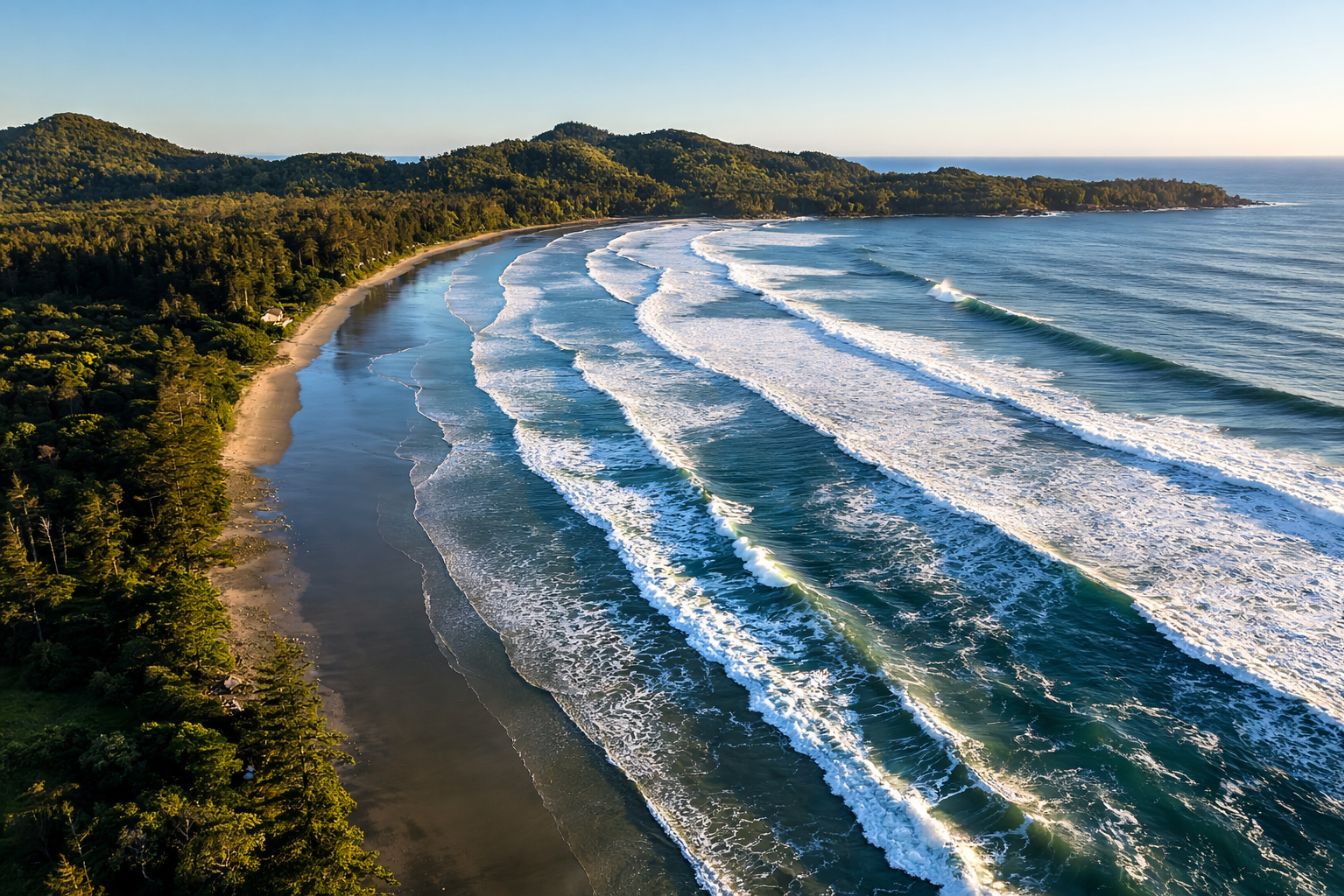 There is no wrong time to visit Tofino, but there is a right time for what you want. July through September is peak surf season, sunshine season, and whale watching season. November through February is storm watching season, when massive Pacific swells roll in and the town slims down to a quieter, moodier version of itself. September threads a needle worth knowing about: decent surf, early storm energy, gray whales still in the area, and noticeably smaller crowds than August.
The local nickname for August is “Fogust.” Locals say it with a shrug. The marine layer settles hard over the coast some years and your beach week can feel grey from morning to afternoon most days before it lifts. That is not universal and it is not every year, but it is common enough that it is worth knowing before you plan a July wedding on the beach.
For surfers, the sweet spot is September through November. Swells build, experienced riders start showing up from around the world, and the beginner summer crowds thin out. Winter surf gets wild fast. If you are learning, stick to June through August when waves are smaller and gentler.
Wondering when to go? Check out the best time to visit Tofino tour packages – certain months give you whale watching and calm beaches while others mean massive storm watching and emptier trails.
| Summer (Jul-Aug) | Best weather odds, whale watching, beginner surf, long days | Highest prices, packed beaches, “Fogust” fog, sold-out accommodation |
| Shoulder (Jun, Sept) | Still warm enough, smaller crowds, better rates | Less predictable weather, some seasonal businesses not yet/fully open |
| Fall (Oct-Nov) | Best surf swells, storm watching begins, Oyster Fest in November | Rain is real and frequent; pack accordingly |
| Winter (Dec-Feb) | Storm watching, dramatic scenery, 40-60% cheaper accommodation | Some tours and activities reduce frequency or stop entirely |
| Spring (Mar-May) | Gray whale migration (Mar-Apr), Pacific Rim Whale Festival, quieter | Weather still unpredictable; snow possible on mountain passes |
Whale watching runs March through October, with gray whales peaking in March and April on their northern migration. Humpbacks and minke whales appear in summer. If a specific wildlife experience is driving your trip, that timing matters more than anything else on this list.
How Do You Get To Tofino?
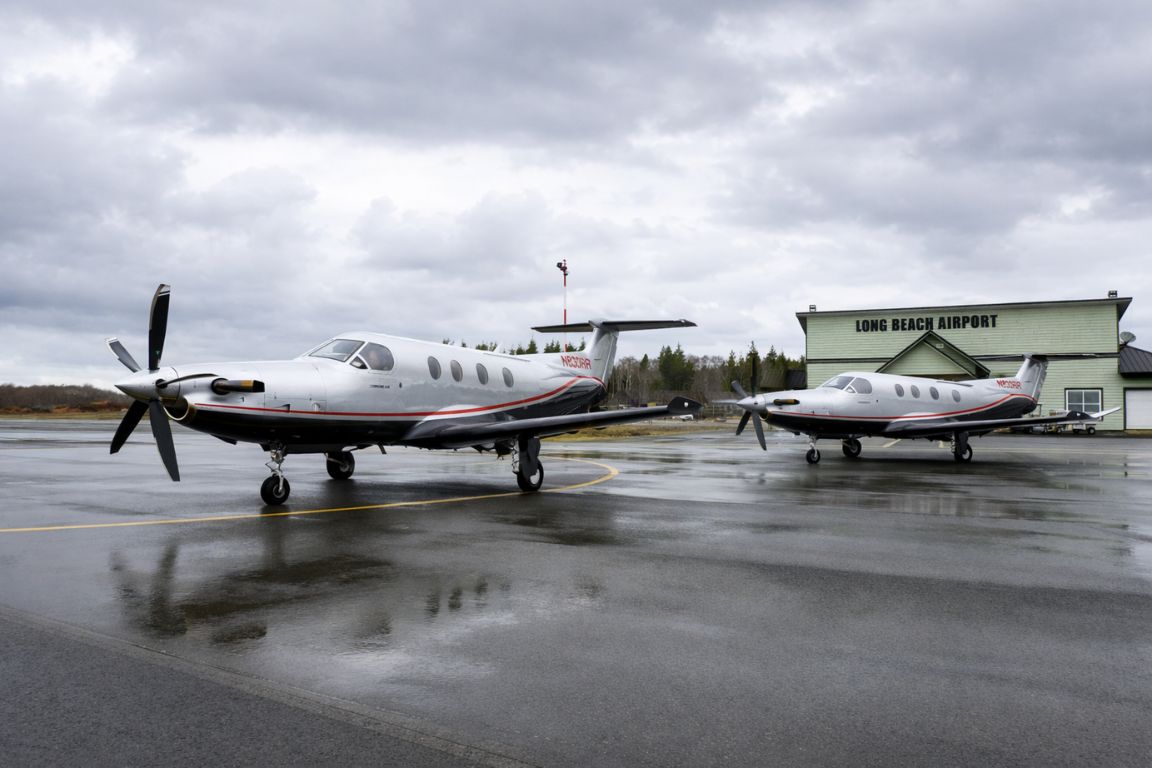 Most people drive to Tofino via BC Ferries from Vancouver to Nanaimo, then take Highway 4 west across Vancouver Island. The total trip runs five to six hours from Vancouver. Flying by floatplane is the fastest option at around 45 minutes from downtown Vancouver Harbour. The bus is possible but slow, taking roughly seven to eight hours total with connections.
The ferry crossing is part of the experience for most visitors. BC Ferries runs two routes from the Lower Mainland: Horseshoe Bay to Departure Bay in Nanaimo, and Tsawwassen to Duke Point. The Horseshoe Bay crossing takes about an hour and 40 minutes. Once you dock, it is roughly two hours and 45 minutes from Nanaimo to Tofino along Highway 4.
One thing most people miss: since October 2025, the Horseshoe Bay to Departure Bay route requires advance booking even for vehicles. Drive-up fares are no longer available on that route. Book before you go. Tsawwassen to Duke Point still allows some walk-up space, but summer and long weekends fill up fast regardless of route.
Harbour Air launched daily direct seaplane service from Vancouver Harbour to Tofino as of October 2025, landing right at Tofino’s waterfront. Pacific Coastal Airlines flies from YVR (Richmond) to Tofino/Long Beach Airport (YAZ), about 16 km from the town centre. Floatplane is the splurge option. Budget roughly $250 to $350 each way per person.
If you are coming without a car, the Tofino Express bus connects from Nanaimo and other Vancouver Island communities several times a week. It gets you there, but you will feel the constraint once you arrive.
We’ve created a detailed Vancouver to Tofino trip guide because this journey involves ferry timing, a long island drive, and planning that can make or break your trip if you get it wrong.
Where Should You Stay In Tofino?
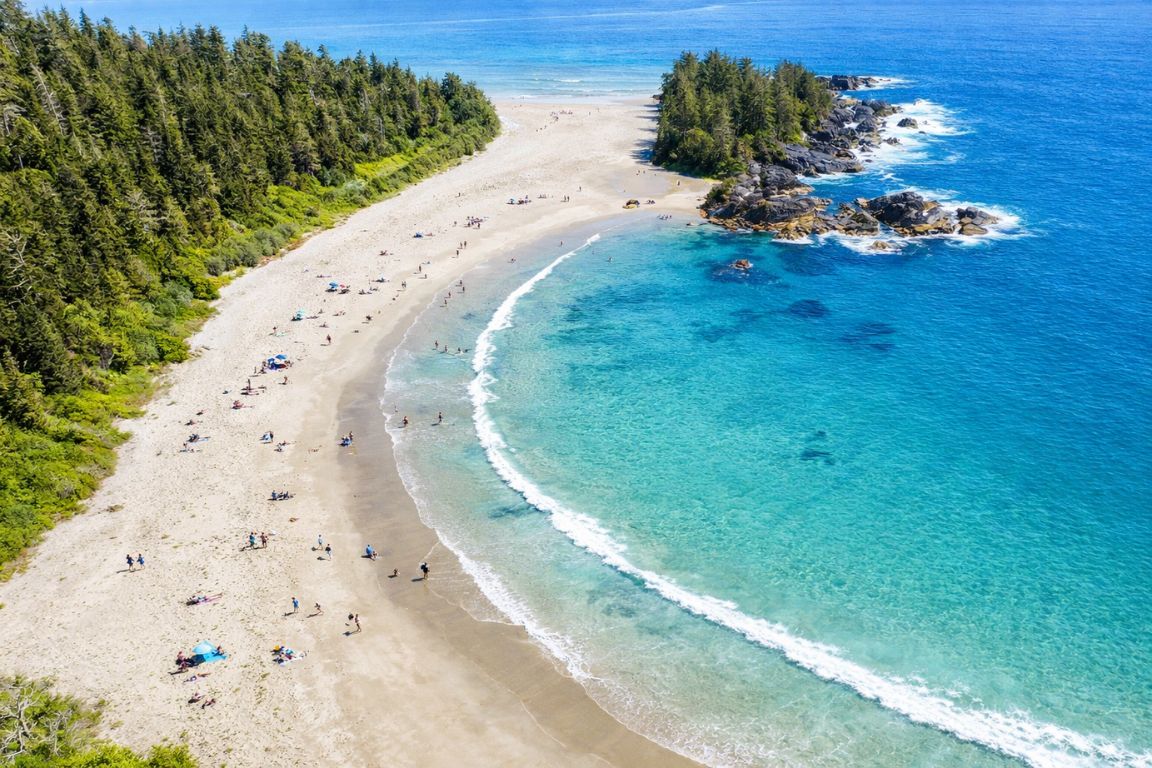 Tofino has accommodation in three zones: the town centre, the beach corridor (Cox Bay and Long Beach), and Chesterman Beach. Where you stay shapes your whole trip. Town centre is walkable to restaurants. The beach corridor puts you steps from surf. Chesterman is the balance. Budget $350 to $600 per night in peak summer for a decent mid-range option, and book months ahead.
In 2025, Tofino’s peak summer hotel rates hit levels most travelers found jarring. Midweek July rates at Long Beach Lodge ran $659 plus tax. The Wickaninnish Inn on North Chesterman Beach was $980 with a four-night minimum. Even “budget” beach camping at Surf Grove on Cox Bay hit $226 a night for a tent site four rows back from the water. These are not anomalies. Tofino is expensive, and it is getting more so every year as demand outpaces supply in a geographically constrained town surrounded by protected land.
The practical move for budget-conscious visitors: consider staying in Ucluelet, 40 minutes south on the same highway. Rates are meaningfully lower, the wild coast scenery is just as impressive, and everything in Tofino is still accessible as a day trip. It is one of the best-kept strategies in the area.
| Budget motel / hostel | $140-$230/night | Solo travelers, tight budgets |
| Mid-range resort (beachfront) | $350-$650/night | Couples, families wanting beach access |
| Luxury resort (Wickaninnish, Long Beach Lodge) | $659-$980/night | Special occasions, storm watching packages |
| Beach camping (Surf Grove) | $226-$251/night | Campers who want beach proximity with amenities |
| Parks Canada Green Point Campground | $34-$40/night | Tent campers, budget, inside Pacific Rim NPR |
| Ucluelet accommodation (nearby alternative) | $150-$350/night | Budget-conscious visitors, fewer crowds |
Prices reflect peak summer 2025 rates and are subject to change. Verified March 2026.
Green Point Campground inside Pacific Rim National Park Reserve is a legitimate gem if you book early. Sites start at $34 a night and you fall asleep to the sound of actual Pacific Ocean waves. Reservations open months in advance and fill fast. If you are camping, that is where to go.
What Should You Actually Do In Tofino?
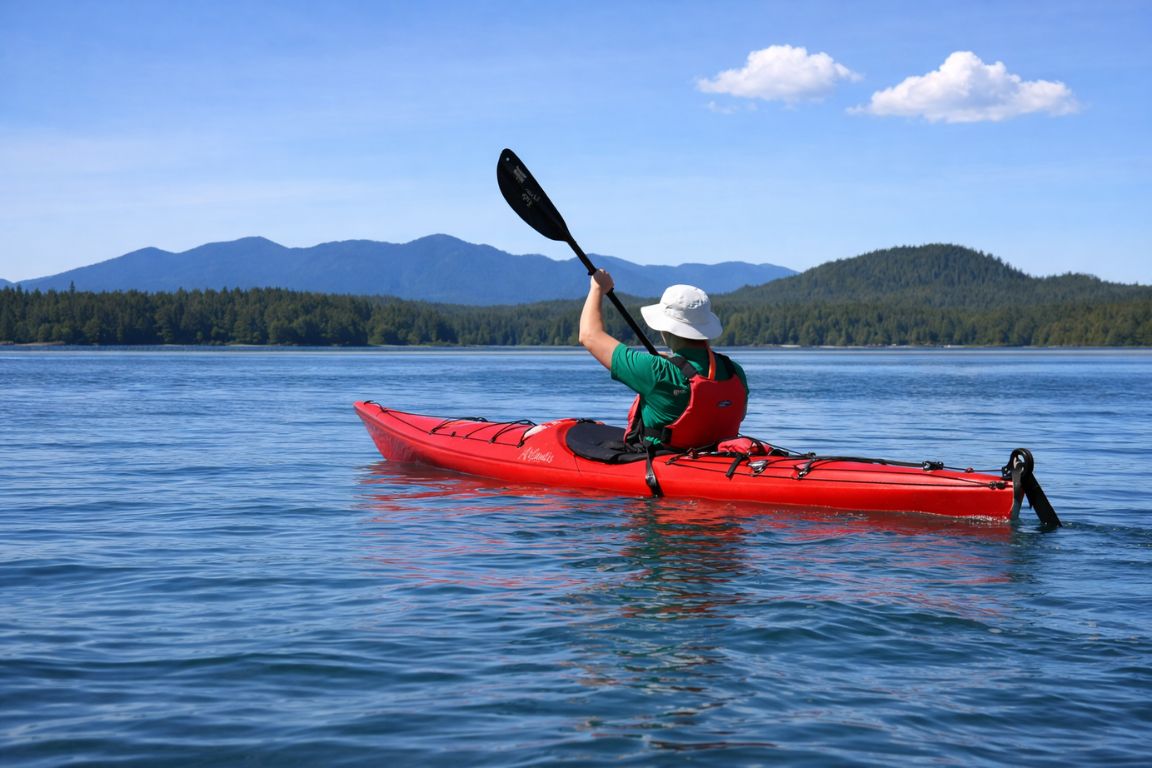 Surfing, bear watching, whale watching, rainforest hiking, kayaking, and storm watching are the core activities. Long Beach is the iconic destination inside Pacific Rim National Park Reserve. Hot Springs Cove requires a boat or floatplane and is worth every minute of the journey. Tofino rewards travelers who go beyond the main beach and put in some planning to reach the less obvious places.
Long Beach is 16 km of open Pacific sand and it earns every word written about it. Get there early in summer. By 10 a.m. in July the parking fills and the vibe shifts from wild to crowded. The Rainforest Trail runs two 1 km boardwalk loops through old-growth cedar and spruce just off the highway, about a 20-minute drive from town. It is one of those walks where people go quiet without planning to. The canopy closes in and the light turns green and diffuse, and suddenly you are somewhere that does not feel like anywhere else you have been.
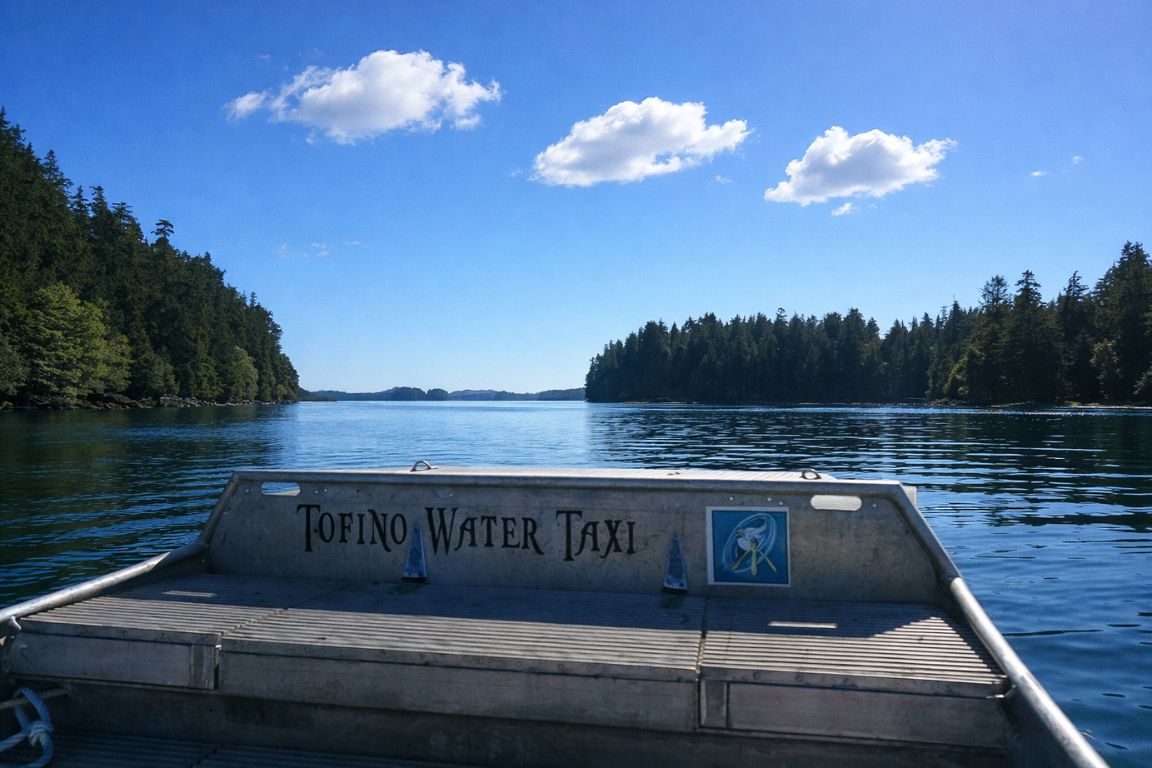
Hot Springs Cove is the sleeper hit. It requires a water taxi or floatplane from Tofino, about an hour and a half by boat. From the dock you hike 2 km through old growth to reach natural geothermal hot springs that flow down a rocky waterfall into tiered pools at the ocean’s edge. The water is too hot to enter at the top and perfectly warm at the bottom pools, cooled by ocean wash. The journey itself usually involves passing wildlife, including bears and whales on the coastline. Do not skip this one.
Bear watching tours run on Clayoquot Sound, typically in the evening hours when black bears come down to the intertidal zones to forage. Evening black bear watching boat trips on Clayoquot Sound run about two hours; dates are on the tour page.
Need activity ideas? Our guide to the best things to do in Tofino tour packages covers everything from surf lessons to bear watching to beachcombing when the weather turns.
How Much Does A Trip To Tofino Cost?
A realistic budget for two people spending four nights in Tofino during peak summer runs $2,500 to $4,500 CAD all-in, including accommodation, ferry, food, activities, and park passes. Winter travel cuts accommodation costs by 40 to 60 percent, making the same trip significantly more accessible. The biggest variable is always accommodation.
Tofino is not a cheap destination and 2025 made that clearer than ever. Hotel rates have roughly doubled since 2019 according to local resort managers. The forces behind this are real: limited housing supply in a protected coastal corridor, surging domestic demand, and a weak Canadian dollar drawing American visitors who find the exchange rate favorable. There is no quick fix and rates are unlikely to drop meaningfully.
| Accommodation (4 nights) | $560-$920 (camping/hostel) | $1,400-$2,200 (mid-range resort) |
| BC Ferries (vehicle + 2 passengers, return) | $160-$220 | $160-$220 |
| Gas (Vancouver return) | $100-$130 | $100-$130 |
| Parks Canada passes (4 days, family/group) | $98 (4x$24.50) | $98 (or $120.75 annual pass) |
| Food (4 days) | $200-$300 (cooking + casual eats) | $400-$600 (mix of restaurants) |
| Activities (whale watching, surf lesson, kayak) | $150-$300 | $400-$700 |
| Estimated Total | $1,268-$1,970 | $2,558-$3,950 |
Prices are approximate for summer 2025 peak season, two adults. Verified March 2026.
The Parks Canada annual Discovery Pass costs $83.50 per adult or $167.50 for a family group. If you are staying five or more days or you plan to visit any other national parks in Canada the same year, it pays for itself quickly. A family of four staying a week in Tofino will pay $24.50 per day on a daily pass. The annual pass covers the whole year for $167.50. Worth doing the math before you arrive.
What Should You Pack For Tofino?
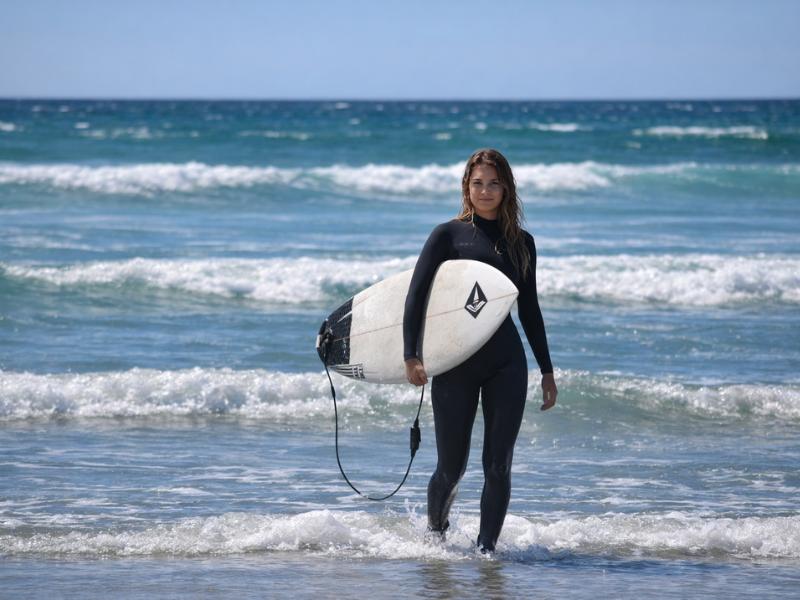
Pack rain gear regardless of the season. A quality waterproof jacket is non-negotiable. Bring layers you can add and remove quickly because Tofino’s weather shifts without warning. Wetsuits are available to rent everywhere if you plan to surf or kayak. Hiking boots or waterproof trail shoes beat sandals on most of the coastal paths.
The biggest packing mistake we see is people bringing one light jacket and relying on it to cover everything from a morning beach walk to an evening boat tour. Tofino’s marine climate swings within hours. A sunny beach afternoon can shift to a cold, foggy, wind-driven coast walk before dinner. Layering is the system that works.
| Waterproof jacket (hood) | Essential | Any season, any forecast |
| Warm mid-layer (fleece or down) | Essential | Evenings are cool even in August |
| Waterproof hiking shoes or boots | Essential | Most trails get muddy year-round |
| Sunscreen | Essential (summer) | UV is high even through cloud cover |
| Wetsuit | Rentable | Rentals available throughout town; no need to bring your own |
| Binoculars | Recommended | Whale watching, bear spotting, sea eagles |
| Reusable water bottle | Recommended | Tofino tap water is excellent; cut the plastic |
| Cash (some) | Recommended | Parking meters and a few vendors; not everywhere takes tap |
One detail most packing lists miss: save your Google Maps route to Tofino offline before you leave Nanaimo. Cell coverage along Highway 4 through the mountains is genuinely spotty. Several spots between Port Alberni and Tofino have no signal at all. Having your route downloaded costs nothing and saves the stress.
How Far In Advance Should You Book Your Tofino Trip?
 For July and August, book accommodation three to four months ahead, minimum. Ferry reservations on the Horseshoe Bay route now require advance booking year-round. Hot Springs Cove tours and popular activity operators like whale watching and bear watching fill up four to six weeks ahead in summer. Shoulder season gives you more room, but even June and September move fast.
The BC Ferries booking change that hit in October 2025 catches a lot of people off guard. The Horseshoe Bay to Departure Bay route no longer offers drive-up fares for vehicles in either direction. Book your sailing online before you leave. The Tsawwassen to Duke Point route still has some walk-up availability, but betting on it in summer is a gamble that regularly costs people a three-hour wait at the terminal.
Activity booking is the part people consistently leave too late. Whale watching tours in August can book out two to three weeks ahead from the better operators. Bear watching tours run smaller boats and fill faster. Hot Springs Cove day trips, which combine a boat journey with wildlife viewing and the springs themselves, regularly sell out for the entire summer by mid-June. If any of these is a priority for your trip, it should be the first thing you book after accommodation.
Planning the boat trip? I’ve put together a complete Hot Springs Cove Tofino tour guide covering which operators to book, what to bring, and how to navigate the boardwalk trail through old-growth forest to the springs.
How Do You Get Around Tofino Without A Car?
 Getting around Tofino without a car is possible but genuinely limiting. The free summer hop-on, hop-off shuttle runs between the town core and Long Beach. A regional West Coast Transit bus connects Tofino, Ucluelet, and communities along Highway 4. Cycling is a viable and genuinely enjoyable option on the ʔapsčiik t̓ašii multi-use path, which runs 25 km from Tofino to Ucluelet. Coastal Rides (a local rideshare app) and TikiBus supplement the gaps.
The summer shuttle is free and runs between the Tofino Visitor Centre and Long Beach. For many visitors staying in town it covers the most important beach access without needing a car at all. But it runs only in summer and stops at Long Beach, which means Hot Springs Cove, Meares Island, Chesterman Beach, and Ucluelet are not on the route.
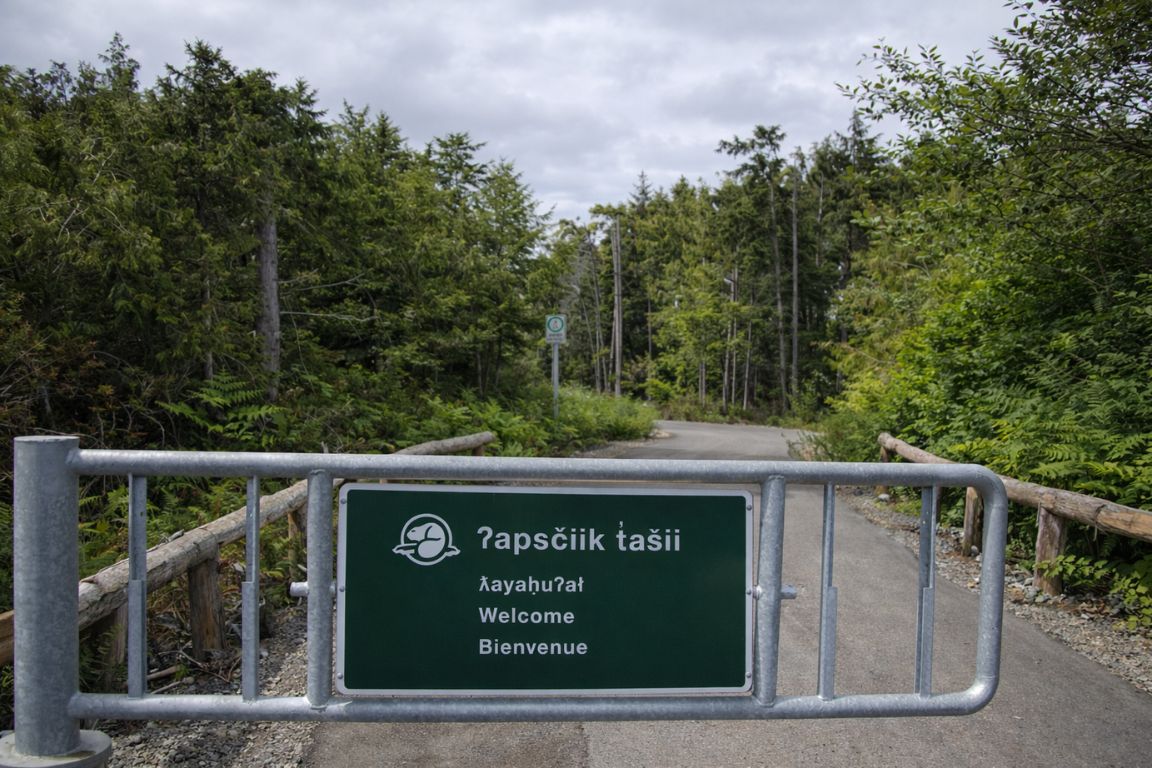
The ʔapsčiik t̓ašii pathway is the real answer for car-free visitors willing to put in some effort. It runs beside Long Beach through Pacific Rim National Park, connecting Tofino to Ucluelet on a dedicated, paved multi-use path. Bike rentals including kids’ options, e-bikes, and add-ons like baby seats and trail-a-bikes are available through local rental shops. This covers a wide swath of what most people actually want to do in the area.
For everything else, Coastal Rides is the Tofino version of a rideshare service, locally operated. There are also traditional taxis. Neither is plentiful or cheap, and at peak summer times availability can be tight, especially late evening. Plan ahead if you are relying on these for a specific time, like a dinner reservation or an early morning tour departure.
One honest note: Tofino rewards cars. The spread of the town, the range of beaches, the ability to stop along Highway 4 when you spot a bear near the road, the freedom to adjust plans when weather shifts. If you are choosing between a flight in and a car-and-ferry, the ferry wins for the experience it delivers, and you will spend less time managing logistics once you arrive.
Not planning to drive? Our guide on Tofino tour packages without a car shows you how to reach beaches, trails, and activities using the local shuttle system and tour operators.
Is Tofino Good For Families With Kids?
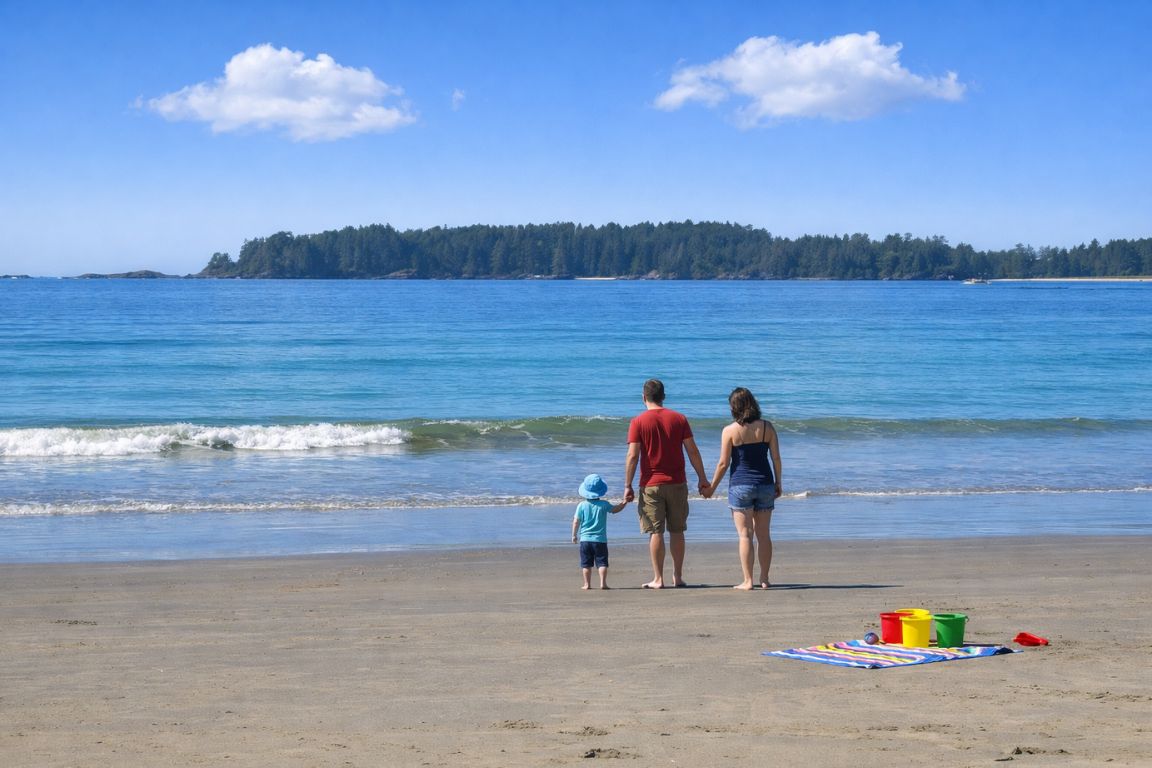 Tofino is genuinely excellent for families with kids of almost any age. The beaches are dramatic and sand-friendly, the hiking trails are short and mostly flat, wildlife is accessible, and surf lessons run for children as young as six. The main watch-out for families with very young children is beach safety: most of Tofino’s beaches carry powerful surf, and MacKenzie Beach is the best option for calm, sheltered water for toddlers and young swimmers.
MacKenzie Beach sits in a natural cove sheltered by large tidal rocks. It creates genuinely calm conditions for small kids, unlike Cox Bay or Long Beach where surf is the whole point. Parents with children under five or six who want safe wading and sandcastle territory should put MacKenzie Beach at the top of the list.
The Rainforest Trail boardwalks are stroller-accessible and short enough to hold a five-year-old’s attention without a meltdown. Tidal pool exploration at low tide on Chesterman Beach turns into a two-hour biology lesson that kids usually do not want to end. The Ucluelet Aquarium, about 35 minutes south, has touch tanks filled with local marine life and opens March through November. Bear watching tours work well for kids old enough to sit quietly for an hour on a boat, typically eight and up, but younger children have done them successfully too.
Families with teenagers will find the surf lesson lineup to be one of the best things they can do together. There is something equalizing about everyone being a beginner in the ocean.
Wondering if Tofino suits young travelers? Check out our guide on Tofino tour packages with kids – the cold water, rain, and long travel time all require different planning with children.
What Our Guests Tell Us: Tofino Trip Patterns From 12,600+ Travelers
| Average nights stayed | 3.8-4.2 nights | Guests who stay 4+ nights rate their experience significantly higher |
| Most booked activity |
Whale watching (or surf lesson in summer) |
Indicates what travelers prioritize when given the choice |
| % who say “would come back” | 85-95% | Tofino has exceptionally high repeat visitor loyalty |
| % who said accommodation was hardest to book | 70-85% | Supports booking accommodation first, activities second |
| Most common regret |
Not staying longer / Not booking a whale watching or Hot Springs Cove tour |
Helps us advise future travelers on what not to skip |
| Most popular month booked |
August (followed closely by July) |
Aligns with peak season patterns and advance booking requirements |
Thirteen years guiding travelers through this coastline has taught us the patterns. The guests who rate their trips a ten out of ten almost always booked further ahead, stayed longer, and had at least one activity that got them off the main highway. The ones who leave disappointed almost always stayed two nights and tried to squeeze in too much on the last day.
What Do Most First-Time Visitors Get Wrong About Tofino?
 The most common mistake is treating Tofino like a compact tourist village where everything is walking distance. It is not. Tofino is spread out along a highway corridor, with beaches, parks, and key sites scattered across 15 to 30 kilometers. A car is genuinely necessary to get the most out of the area. The second most common mistake is booking too few nights to recover from the journey.
Here is something that does not make it into most travel blogs: the drive from Nanaimo to Tofino along Highway 4 through the mountains is beautiful, but the stretch near Kennedy Lake is narrow and winding, with heavy logging trucks sharing the road. If you are driving a rental for the first time or are not used to mountain driving, give yourself more time and more mental bandwidth than you think you need. It is not dangerous if you are paying attention, but it surprises people.
The second fail pattern we see constantly: under-planning restaurant reservations. Tofino’s dining scene is genuinely world-class for a town this size, but the top spots fill their reservation books weeks in advance in peak season. Wolf in the Fog, The Pointe at the Wickaninnish, Jeju, Shelter. None of these take walk-ins easily during summer. Book before you arrive or accept that your only option will be the Tacofino truck line in the parking lot. That is not the worst outcome, honestly, but you want the choice.
Third: people stay two nights and leave frustrated that they did not see or do enough. The journey from Vancouver is five-plus hours each way. Two nights means you arrive late, wake up once, and leave. Three nights is the functional minimum. Four or five is where Tofino starts to reveal itself properly.
Frequently Asked Questions
How long does it take to drive from Vancouver to Tofino?
Plan for five to six hours from central Vancouver, including the BC Ferries crossing from Horseshoe Bay to Nanaimo. The ferry alone takes about one hour and 40 minutes. After docking in Nanaimo, the drive to Tofino along Highway 4 is roughly two hours and 45 minutes. Allow more time for ferry waits in summer, especially on weekends.
Do you need a Parks Canada pass to visit Tofino’s beaches?
Yes, if you are parking at or accessing any of the beaches and trails within Pacific Rim National Park Reserve, which includes Long Beach, Wickaninnish Beach, Combers Beach, and most of the Rainforest Trail access points. The daily adult rate is $12.25 and the family/group rate is $24.50. Youth 17 and under are free but still require a pass. Passes can be purchased at automated kiosks in most parking lots (credit card only) or at visitor centres. Prices verified March 2026.
What is the cheapest time to visit Tofino?
November through February is the lowest-rate period, with accommodation prices dropping 40 to 60 percent compared to peak summer. January and November consistently show the lowest hotel rates. The experience during this period is genuinely good for the right traveler: dramatic storm watching, quiet beaches, and a more local feel to the town. Not ideal for surfing beginners or families with young children, but rewarding for adults who enjoy raw coastal scenery.
Is Tofino worth the drive from Vancouver?
Yes, consistently and emphatically. The drive itself passes through Cathedral Grove old-growth forest, along Kennedy Lake, and through mountain scenery that is part of the experience. The coast at Tofino is unlike anything else accessible from Vancouver on a road trip. The main qualifier: plan for at least three nights so the journey feels proportionate to the time you spend there.
Can you visit Tofino without a car?
You can, with limitations. The free summer shuttle connects the town to Long Beach. West Coast Transit and the Tofino Express bus provide regional connections. The ʔapsčiik t̓ašii bike path runs 25 km from Tofino to Ucluelet. Coastal Rides (local rideshare) and TikiBus cover gaps. That said, many of the best experiences, including Hot Springs Cove, Meares Island, and spontaneous wildlife stops on the highway, are far more accessible with a car.
When should you book accommodation in Tofino?
For July and August, book three to four months ahead. For June and September, six to eight weeks ahead is usually sufficient but not always. The Wickaninnish Inn and Long Beach Lodge often have minimum night stays and limited availability even outside peak season. Budget options like Green Point Campground inside the national park reserve sell out for peak weekends within hours of reservations opening, often in the winter months for the following summer.
Written by Ethan James Callahan
Canadian tour guide since 2012 · Founder, Tofino Tour Packages
Ethan has guided over 12,600 travelers through Tofino and the surrounding Pacific Rim wilderness since founding the agency.