Best Time To Visit Tofino
Best time to visit Tofino? September hits the sweet spot - warm water, surf, whales, and fewer crowds. Here’s how each season compares.
Last updated: March 26, 2026
Use the seasons to choose a travel window, then check the exact departure calendar. A wildlife season does not guarantee a tour on every date.
Affiliate links: we may earn a commission from qualifying bookings.
Quick Reference: Tofino By Season
| Peak Summer | Jul, Aug | Beginner surf, whale watching, long days, families | Very high | Highest |
| Shoulder Summer | Jun, Sept | Best value for summer activities, fewer crowds | Moderate | Moderate |
| Fall | Oct, Nov | Expert surf, storm watching begins, Oyster Fest | Low-Moderate | Low-Moderate |
| Winter | Dec, Jan, Feb | Storm watching, dramatic scenery, cozy getaways | Very low | Lowest (40-60% off peak) |
| Spring | Mar, Apr, May | Gray whale migration, Whale Festival, residual swells | Low-Moderate | Low-Moderate |
What Is The Best Overall Month To Visit Tofino?
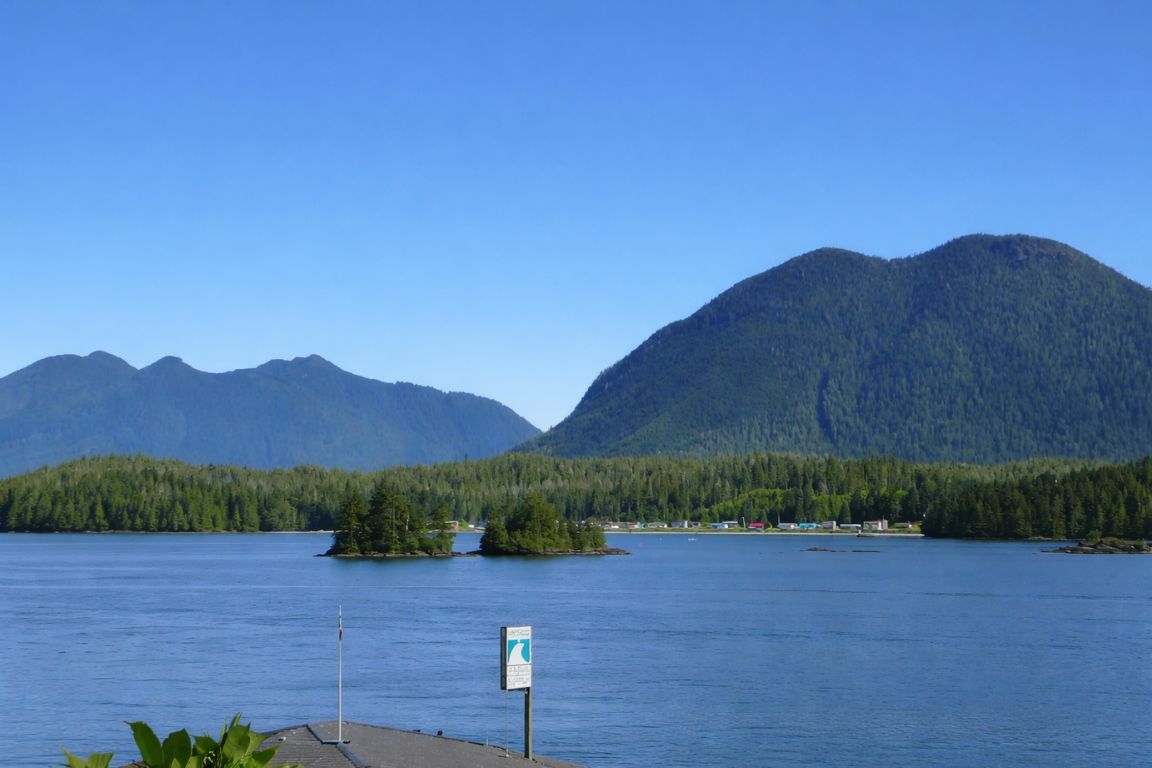 September is the best single month to visit Tofino. The Pacific Ocean has had all summer to warm up, so water temperatures hit their annual peak around 13-14°C. The first autumn swells start arriving, winds turn offshore for clean surf conditions, crowds thin out from August levels, whale watching is still running strong, and the light over the coast turns golden and dramatic. You get the best of summer without the peak-season price and parking stress.
This is not the answer most travel articles give. Most push July or August because that is when the sun is most reliable. But after guiding over 12,600 travelers through this coast, the pattern is clear: the people who come in September consistently leave saying it felt like they had Tofino to themselves. They are not wrong. The Wickaninnish Inn calls it “the shoulder season sweet spot” and many longtime guides consider it the insider’s month.
The water is warmer in September than it is in July. Gray whales are still feeding in Clayoquot Sound. The first real swells of autumn start showing up, which means experienced surfers are getting excited and beginners can still find manageable conditions at sheltered spots. Restaurants are less likely to be fully booked three weeks out. Hotel rates drop meaningfully from their August highs. There is nothing September does worse than August except guarantee sunshine, and Tofino has never guaranteed sunshine in any month.
If September does not work for you, the choice between all the other options comes down to what you are specifically coming for. The rest of this article breaks that down month by month and activity by activity.
When Is Tofino’S Peak Season And Is It Worth The Crowds?
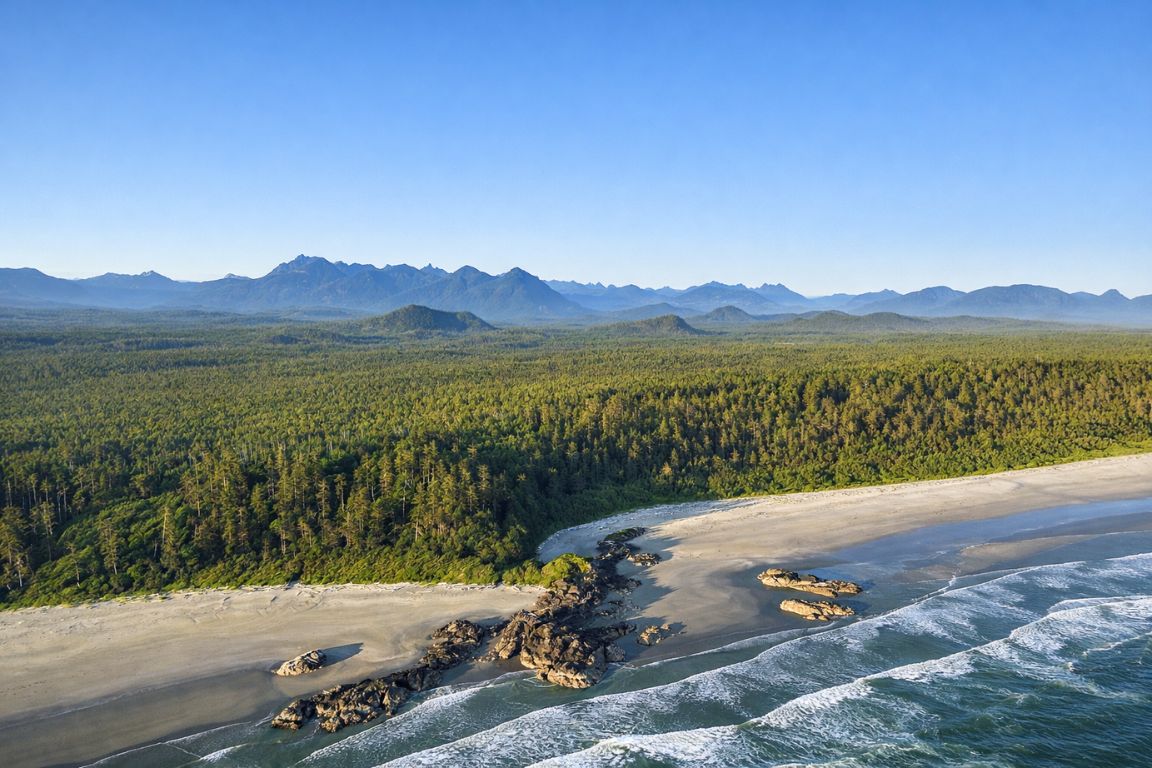 Peak season runs from late June through August. Hotel rates hit their annual high, beaches fill by mid-morning on weekends, and restaurants book out weeks in advance. The trade-off is real: the best weather odds of the year, the most activity operators running full schedules, whale watching and bear watching tours at their most active, and the longest days with sunset as late as 9:30 p.m. For first-timers who can only visit once, peak season still delivers everything Tofino promises.
The crowds are real and worth taking seriously. Cox Bay on a sunny Saturday in August has more people on it than many city beaches. The parking lots inside Pacific Rim National Park Reserve fill by 10 a.m. on weekends. Tacofino’s truck has a line snaking into the parking lot most of the day. Accommodation that has not been booked three months out is largely whatever nobody else wanted.
So why do over a million people still choose peak season? Because it works. The weather cooperates more in July and August than any other time of year. Average highs hit 19 to 20°C. Sunshine averages 7 to 8 hours a day, the best figures of the year by a significant margin. Beginner surf conditions are ideal. Every whale watching, bear watching, hot springs, and kayak operator is running full schedules with maximum availability. If you are bringing children, if this is your first time, or if your travel dates are simply not flexible, peak season is still the right call. Just book everything early and arrive at the beach before 9 a.m.
One practical note: avoid Canadian long weekends entirely if crowd avoidance matters to you. Victoria Day in May, Canada Day in July, BC Day in August, Labour Day in September, and Thanksgiving in October all produce surges that compress peak-season conditions into shoulder-season months.
Want to get the planning right? This breakdown of how to plan a trip to Tofino tour packages covers all the details most visitors only figure out after they’ve already booked – like needing accommodation reservations months in advance and understanding the ferry schedule.
When Is The Best Time To Visit Tofino For Surfing?
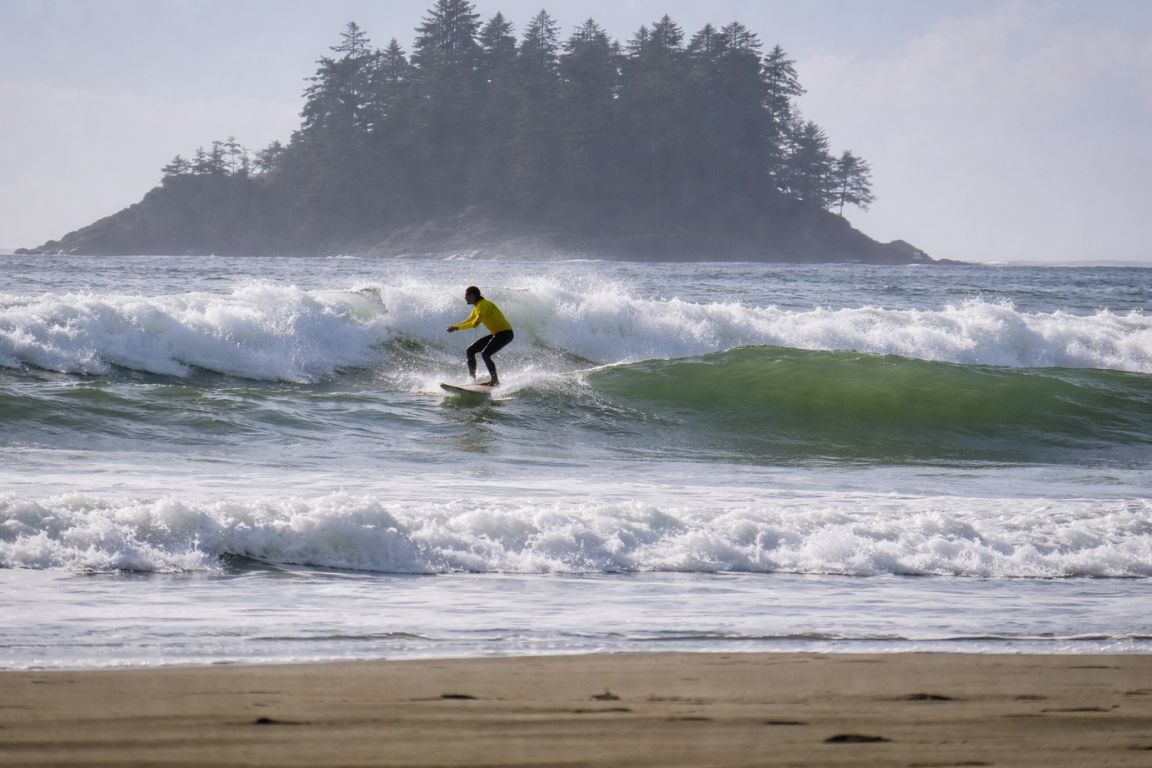 For experienced surfers, September through November is the best window. Offshore winds groom the waves, water is warmest, and the first major autumn swells deliver 10-foot-plus conditions at Cox Bay and Long Beach. For beginners and intermediate surfers, June through August is the sweet spot: smaller waves, longer days, more patient crowds, and forgiving conditions at most beaches. Winter surf can reach 20 to 30 feet and belongs to advanced surfers only.
Tofino has earned the title of Canada’s Surf Capital, and the reason is consistent year-round wave action across a variety of beaches. Cox Bay is the main stage, a wide open bay that catches swells from anything out of the west and handles size on the right tide. When Cox Bay gets too heavy, North Chesterman Beach offers a slightly more sheltered option. When that also closes out in a big storm, Mackenzie Beach‘s protected cove gives something manageable.
The seasonal breakdown comes down to what kind of surfer you are. Beginners should be in the water June through August, full stop. The wave sizes are appropriate, there are more surf schools and instructors available, and the warmer air temperature makes wiping out less miserable. The water itself never gets warm: even in August the Pacific off Tofino sits around 13 to 14°C. You surf in a wetsuit year-round. A 3/2mm suit works in summer. By November you are looking at a 5/4mm with boots, hood, and gloves.
Fall is when locals stop holding back. Winds flip to offshore from the southeast, which means clean, well-groomed waves instead of the choppy chop that offshore wind creates. The first northwest swells of autumn start arriving in October, and by November the coast is genuinely powerful. The surf competition Queen of the Peak, part of the Women’s Canadian Surf Championships, runs at Cox Bay in the fall, which tells you what local operators think of the conditions.
Need to know where to surf? Our guide to the best surfing beaches in Tofino tour packages covers which beaches work for different skill levels and when each break fires best.
| Jun-Aug | Small to mid-size wind swells, gentle groundswell | Beginners, families, longboarders | 3/2mm |
| Sept-Nov | Building swells, offshore winds, 4-12ft+, groomed shape | Intermediate to advanced surfers | 4/3mm, gloves starting Oct |
| Dec-Mar | Heavy storm swells, 10-30ft, raw and powerful | Advanced/expert only; storm watching for everyone else | 5/4mm + hood, boots, gloves |
| Mar-May | Residual NW swells subsiding, occasional southern swells | Intermediate surfers; good for lessons | 4/3mm |
When Is The Best Time To Go Whale Watching In Tofino?
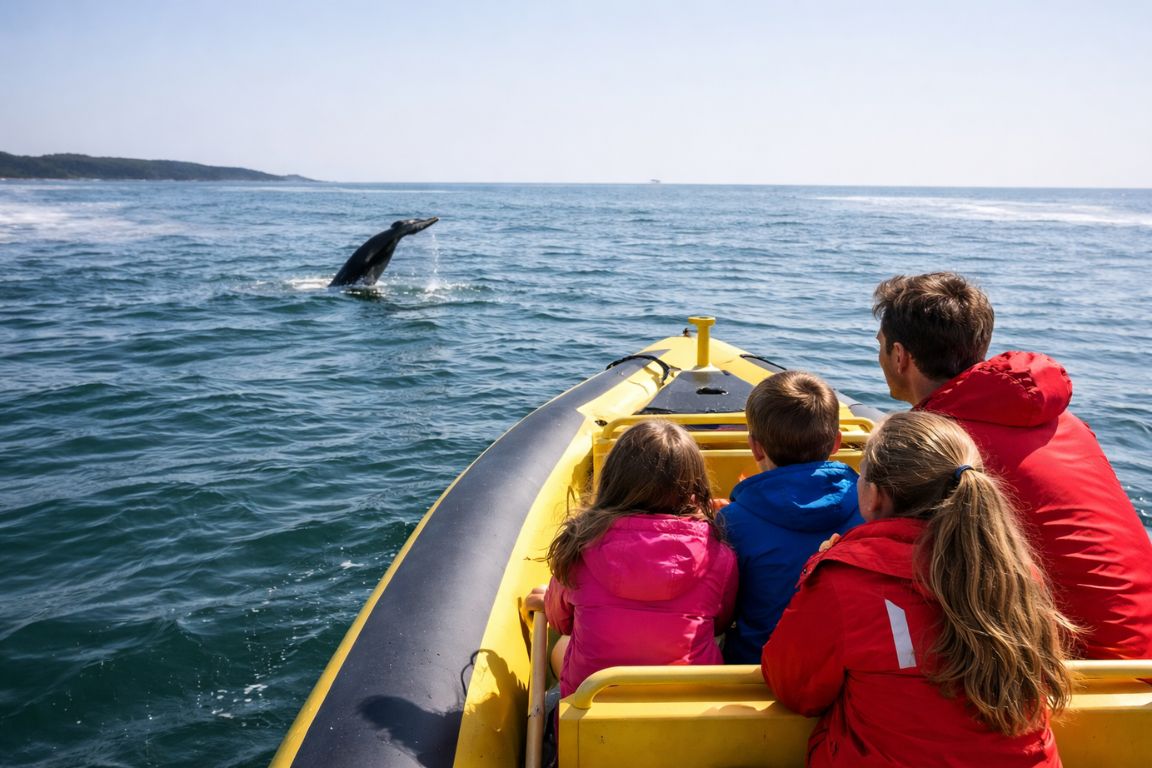 Whale watching in Tofino runs March through November. Gray whales are the most reliable sighting, present from early March through late November with peak migration numbers in March and April. Humpbacks show up from May or June and stay through September. Orcas (transient killer whales) appear year-round but unpredictably. For the highest probability of seeing multiple species on a single tour, June through September is the target window.
The gray whale migration is one of the longest known of any mammal on the planet, a round trip of 10,000 to 12,000 miles between wintering lagoons in Baja California, Mexico and feeding grounds in the Bering Strait. About 20,000 gray whales travel past Tofino each spring, and roughly 200 stay to feed in Clayoquot Sound through the summer. On a whale watching tour in March or April you are watching the migration itself, animals moving with purpose through the open water. In summer, the resident grays are closer to shore, calmer, feeding in the kelp beds and shallow coastal zones.
Humpbacks bring the spectacle. They breach fully out of the water, something gray whales almost never do, and a humpback breach at close range is the kind of moment that people describe for years. Their peak presence around Tofino runs June through September. The Pacific Rim Whale Festival runs each March during the peak of the gray whale migration, typically mid-March, and includes events across Tofino and Ucluelet celebrating the season.
One thing worth knowing that most blog posts skip: May, June, September, and October are considered by experienced guides to be the best whale watching months. Not July and August. The reasoning is simple: fewer boats on the water means less disturbance to the animals, and whale operators can get closer observations with fewer competing vessels. The whales are just as present. The experience is often better.
Need a solid recommendation? Here are the best whale watching tours in Tofino tour packages that consistently deliver – from zodiac adventures to covered boat tours for families.
| Gray Whale | Mar – Nov (year-round possible) | Mar-Apr (migration north); Oct-Nov (migration south) | ~200 residents stay all summer in Clayoquot Sound |
| Humpback Whale | May – Oct | Jun-Sept | Known for full-body breaches; dramatic sightings |
| Orca (Transient) | Year-round | Unpredictable | Rare bonus sighting; Bigg’s killer whales hunt marine mammals |
Data sourced from The Whale Centre Tofino and Jamie’s Whaling Station. Verified March 2026.
When Is Storm Watching Season In Tofino?
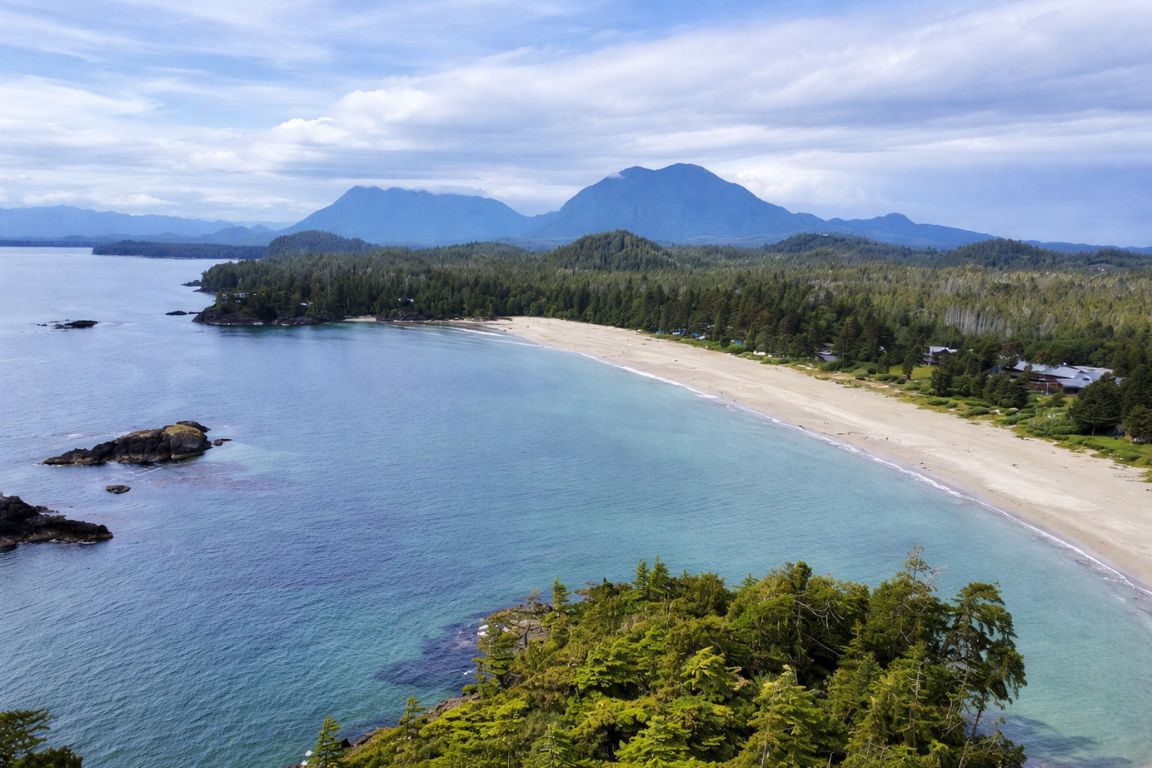 Storm watching season runs November through February, with peak intensity from November through January. Massive low-pressure systems track down from the Aleutian Islands and Alaska, driving 20 to 30-foot swells against an exposed coastline that has nothing between it and Japan. The result is one of the most dramatic natural spectacles on the BC coast: walls of whitewater, sea foam piling up along the high-tide line, wind bending the old-growth trees, and skies that cycle through every shade of grey and violet.
Tofino is one of the world’s great storm watching destinations for a simple geographic reason. The open Pacific stretches uninterrupted from the west coast of Vancouver Island all the way to Asia. That fetch, thousands of kilometres of open ocean for wind to build over, produces swells of extraordinary power. When those swells hit the volcanic rock formations and sandy beaches of Pacific Rim National Park, the result is something that genuinely stops people in their tracks.
Cox Bay, Long Beach, and Chesterman Beach are the prime viewing spots during storm season. The Kwisitis Visitor Centre has a sheltered viewing deck with views of Long Beach during heavy weather. The luxury resorts lean into this fully: the Wickaninnish Inn provides guests with rain coats and rubber boots and built its entire brand around storm watching packages, with rooms oriented to face the ocean and windows designed to make the most of the show.
The practical trade-off: this is also when Tofino is wettest, darkest, and coldest. Average highs in December and January sit around 6 to 7°C. Rainfall peaks in November and December, with the coast averaging well over 400mm in those months. Some whale watching and bear watching operators scale back or stop entirely. The Highway 4 mountain pass near Sutton Pass can see snow, occasionally causing temporary closures. None of this is prohibitive if you pack correctly and embrace it. But arriving for storm watching expecting beach weather is a mismatch.
The accommodation angle is real and substantial. Hotels in November through February can run 40 to 60 percent below peak summer rates. The Wickaninnish Inn, which charges close to $980 per night in July, has winter packages that come in considerably lower and include amenities designed specifically for the season. For the traveler who cares more about the experience than the sun-soaked Instagram shot, this is the most honest version of Tofino.
What Is Tofino Like In The Off-Season (October To April)?
Tofino in the off-season is quieter, cheaper, wetter, and in many ways more authentically itself. The summer tourist layer peels back and what remains is a small, tight-knit community surrounded by some of the most powerful coastal wilderness in Canada. Most tour operators run reduced but still functional schedules. Restaurants stay open. The rainforest trails glow an impossible shade of green in the wet months. The crowd that does visit in winter tends to be people who have been before, which tells you something.
There is a specific kind of Tofino experience that only exists in the off-season. You walk Chesterman Beach at low tide and there are four other people on it, all of them locals. You get a table at Wolf in the Fog without a reservation. The parking lots at Pacific Rim National Park are never full. The trail to Tonquin Beach is yours. The town itself feels like a real place rather than a tourist set.
Some businesses scale back. A few close entirely through January and February. Hot Springs Cove tour operators run less frequently and sometimes require minimum booking numbers to run a trip. Bear watching tours stop in October and do not restart until April or May when bears return to the intertidal zones. Whale watching is still possible because orcas travel year-round and gray whales can appear as early as February, but options narrow.
Spring, meaning April and May, is genuinely underrated. The herring spawn in April turns parts of Clayoquot Sound a brilliant turquoise as billions of eggs cloud the water and every sea lion, eagle, and gray whale in the area converges on the event. Rhododendrons bloom along the streets of Tofino in May. The gray whale migration has been underway for weeks. Temperatures start to feel more like outdoor weather again, hitting 11 to 14°C. Hotel rates have not yet spiked to summer levels. It is a legitimate sweet spot that barely anyone talks about.
What Is Tofino Like Every Month Of The Year?
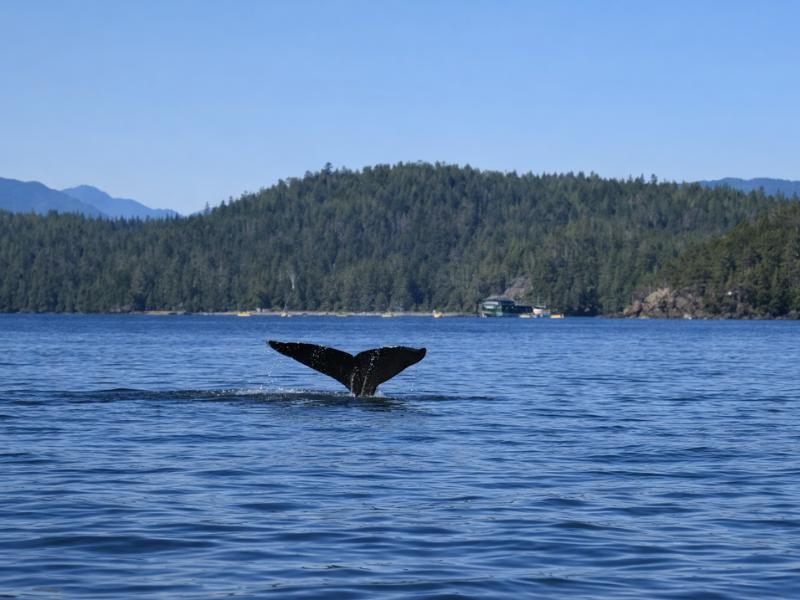
Tofino has something meaningful to offer in every single month. Temperature ranges from an average high of 6°C in February to 20°C in August. Rainfall is highest from November through January and lowest in July. Here is what each month actually delivers on the ground, beyond the numbers.
January
The deepest quiet of the year. Average high 6°C, roughly 412mm of rain across 21 rain days, and only about 2 hours of daily sunshine. Storm watching is at full intensity, with massive northwest swells producing some of the most dramatic conditions of the season. Accommodation prices are at their annual low. Most locals have Tofino nearly to themselves. Some tour operators run weekend-only schedules. A good month for a specific kind of traveler: the one who wants the raw coast without another soul in sight.
February
Still deep in storm season but with slightly longer days and, in good years, brief stretches of winter sunshine that feel genuinely warm after weeks of grey. Average high 6-7°C, around 355mm of rain across 19 rain days. The gray whale migration begins building, and The Whale Centre reports seeing gray whales as early as February. Some operators start their whale watching season this month. Ocean water is at its coldest, around 7-8°C. Hotel rates remain at their lowest annual level.
March
March is one of the most compelling months to visit Tofino if wildlife is your priority. The gray whale migration peaks as thousands of animals move north past the coast toward Alaska. The Pacific Rim Whale Festival runs during mid-March, a week of events across Tofino and Ucluelet including the Parade of Whales and Wonder, the Chowder Chowdown, and Maritime Kids Days. Average high 7-9°C with around 330-420mm of rain across 20 rain days. Residual winter swells still running. The herring spawn can begin in late March, turning inlets turquoise and igniting a feeding frenzy among marine life.
April
One of the most underrated months. The herring spawn, if it has not started in late March, peaks in April and brings sea lions, eagles, and gray whales into spectacular proximity in Clayoquot Sound. Average high reaches 11°C, rain days drop to 17, and sunshine averages 6 hours a day. Bear watching tours reopen around late April as black bears return to the intertidal zones to forage. Humpbacks begin appearing. The coast is lush and green from months of rain. Southern swells start occasionally firing from the Pacific, giving experienced surfers interesting conditions.
May
Tofino in bloom. Rhododendrons flower along the streets in rose, red, and white. Average high hits 14°C, rain days drop to 15, and humidity reaches its annual low. This is when locals who have survived winter start to exhale. Humpback whales are returning to the area. Gray whales are still feeding in the Sound. Bear watching runs fully. The forest trails are at their most intensely green from winter rain and spring growth. Hotel rates have not yet shifted to summer pricing. May is the last month you can book reasonably spontaneously before the summer rush locks everything down.
June
The longest days of the year arrive in June, with up to 16 hours of daylight around the solstice and sunset as late as 9:30 p.m. Average high 17°C, about 115mm of rain across 12 rain days, and 7 hours of daily sunshine. This is when Tofino shifts into summer mode: whale watching and bear watching running full schedules, surf schools busy with lessons, kayak operators fully operational. Crowds are building but still manageable compared to July and August. Of the two shoulder summer months, June is rainier than September but less expensive. The Tofino Wine and Dine festival typically runs in June.
July
The driest month of the year. Average high 19°C, only about 76mm of rain across 10 rain days, and 8 hours of daily sunshine, the highest of any month. This is peak Tofino: maximum visitors, maximum prices, maximum sun, maximum activity. The free summer shuttle runs between town and Long Beach. Every tour operator is running full daily schedules. Parking fills by mid-morning on weekends. Book accommodation months ahead. Water temperature reaches around 12°C. Beginner surf conditions are ideal. This is the month most families with school-age children end up visiting, which shapes the energy of the place considerably.
August
Warmest month of the year with average highs of 19-20°C and water temperatures at their seasonal peak of 13-14°C. Locals call it “Fogust” without humor: the marine layer sets in over the coast some years with real persistence, turning what should be beach days into overcast grey mornings that may or may not lift by afternoon. When it is good it is genuinely spectacular. When the fog holds all day it is a different experience than what the Instagram photos suggested. Still one of the most popular months by far, still the right choice for many travelers, but come with realistic weather expectations. Accommodation needs to be booked three to four months ahead to find anything reasonable.
September
The best overall month, as discussed at the top of this article. Average high 18°C, water at its warmest, crowds retreating from August levels, the first autumn swells arriving, and whale watching still running strong. September has 149mm of rain across 13 rain days, meaningfully drier than October but with more energy than August. The winds start shifting to offshore from the southeast, which grooms the waves into clean, shaped conditions that experienced surfers wait for all summer. Hotel rates begin dropping from August peaks. September is the insider’s answer to when to come.
October
The energy shifts. The salmon run signals the change as fish push upstream through the inlets and streams, drawing bears and eagles in to feed. The coast begins showing its autumn face: sharper light, bigger skies, and the first major storm swells of the season arriving in the second half of the month. Average high 14°C, roughly 13 to 16 rain days. Bear watching tours run until late in the month. Whale watching continues. Crowds have dropped substantially and the town quiets toward its off-season pace. Surf gets serious. The Tofino Oyster Fest happens in November, but October sees preparations begin and the shellfish season hit its stride.
November
Storm watching season is fully underway. November is among the wettest months of the year with rainfall exceeding 500mm in some historical records, and the coast feels the full force of Pacific low-pressure systems. But this is also the month that makes storm watching devotees come back year after year. The sea foam piles up along the high tide line. Waves crash against the rock formations at Incinerator Rock and send spray twenty meters into the air. The Tofino Oyster Fest runs in November, bringing the region’s oyster harvest to the forefront with events celebrating Clayoquot Sound shellfish. Average high drops to 9°C. Hotels are at 40 to 60 percent below summer rates.
December
Tofino’s quietest month from a visitor perspective and one of its most atmospheric. Average high 6-7°C, roughly 435mm of rain across 22 rain days, and only 2 hours of daily sunshine. The storms are powerful and continuous. The days are short. The town leans into the season with fireplace settings, candles, and the particular warmth that small coastal communities find in dark winter months. Some businesses close through the holiday stretch. The Parks Canada Canada Strong Pass offers free admission and discounted camping through mid-January 2026, which adds value for visitors who come over the holiday period. Some years bring stretches of unexpected winter sunshine. They feel earned in a way that summer sunshine does not.
| January | 6°C | 21 | 2 | Storm watching | Lowest |
| February | 6-7°C | 19 | 3 | Storm watching, early gray whales | Lowest |
| March | 7-9°C | 20 | 4 | Gray whale migration, Whale Festival | Low |
| April | 11°C | 17 | 6 | Herring spawn, bear watching opens, whales | Low-Moderate |
| May | 14°C | 15 | 7 | All wildlife tours running, spring bloom | Moderate |
| June | 17°C | 12 | 7 | Whale watching, surf lessons, long days | Moderate-High |
| July | 19°C | 10 | 8 | Beginner surf, families, all activities | Highest |
| August | 20°C | 11 | 7 | Warmest water, all activities, peak crowds | Highest |
| September | 18°C | 13 | 6 | Best overall: surf, whales, fewer crowds | Moderate |
| October | 14°C | 16 | 4 | Serious surf, salmon run, storm watching starts | Low-Moderate |
| November | 9°C | 19-20 | 2-3 | Peak storm watching, Oyster Fest | Low |
| December | 6-7°C | 22 | 2 | Storm watching, cozy getaways, lowest prices | Lowest |
Temperature and precipitation data sourced from long-term climate averages. Verified March 2026.
When Should You Avoid Visiting Tofino?
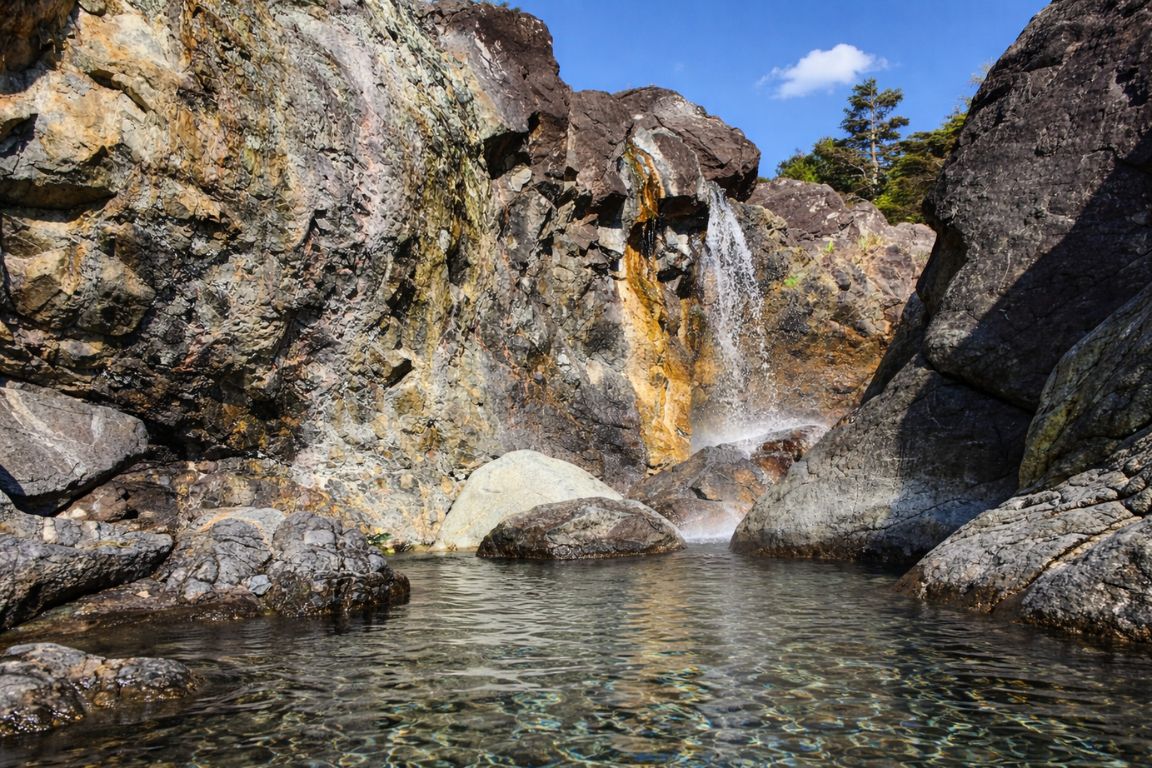 There is no month when Tofino actively fails as a destination, but there are combinations of timing and expectations that lead to disappointment. The main risk is arriving in July or August expecting guaranteed sunshine and warm ocean swimming, or arriving in January expecting to do wildlife tours. The mismatch between expectation and reality is what creates bad trips, not Tofino itself.
Here is the honest breakdown of when you will struggle. If you are not prepared for rain and cold, winter from November through February will defeat you. Not because Tofino has nothing to offer, but because the experience requires leaning into the weather rather than hoping around it. Arriving in December with summer packing and expecting to sit on the beach is a recipe for misery.
If you are dead set on having sunshine every day, Tofino is the wrong destination in any season. The annual rainfall is around 3,000mm, roughly six times what Vancouver receives. Even July, the driest month, averages 10 rain days. The coast sits on the edge of the open Pacific in a temperate rainforest climate. It rains. That is why the rainforest exists. The people who love Tofino most are the ones who understand this and pack accordingly.
If wildlife tours are your main goal, January through early March is your most limited window. Bear watching does not start until late April or early May. Whale watching is possible but with fewer operator options. Hot Springs Cove excursions sometimes require minimum booking numbers to run in deep winter. This is not a reason to avoid January, but it is a reason to not plan your trip specifically around bear watching in January.
We’ve created a detailed Hot Springs Cove Tofino tour guide because reaching these oceanfront hot springs requires boat access and planning – you can’t just drive there or show up independently.
Canadian long weekends deserve a specific mention. Victoria Day, Canada Day, BC Day, Labour Day, and Thanksgiving all produce crowd and accommodation spikes that can push shoulder-season trips into peak-season conditions without the benefit of peak-season weather reliability. If your dates fall on a long weekend, build in extra booking lead time and earlier daily starts to beaches and trails.
When Our Guests Visit: Seasonal Booking Patterns From 12,600+ Travelers
| Most booked month by our guests | August | To book accommodation 3-4 months ahead minimum |
| % who come for whale watching specifically | 35-40% | March and June offer best value; July-Aug most crowded tours |
| % who come for storm watching | 20-25% | November through January is peak; book luxury resorts early even in off-season |
| Most common month guests wish they had visited instead | September | Guides what we now recommend to first-timers asking about timing |
| % who return for a second trip within 2 years | 30% | High repeat rate signals guests find the experience genuinely worth repeating |
The patterns we see across 13 years of guiding are consistent: guests who match their timing to what they genuinely want to do, rather than picking peak season by default, come back more often and recommend the trip more enthusiastically. Timing is the single most impactful planning decision you can make for a Tofino trip. Everything else is logistics.
Frequently Asked Questions
What is the warmest month in Tofino?
August is the warmest month with average daytime highs of 19 to 20°C and ocean water temperatures peaking at around 13 to 14°C. It is also the month with the highest visitor numbers and accommodation prices. July runs close behind at 19°C average high with the bonus of being the driest month of the year at only around 76mm of rainfall.
What is Tofino like in winter?
Cold, wet, dramatic, and genuinely beautiful for the right traveler. Average highs sit around 6 to 7°C from December through February. Rainfall is at its annual peak. Storm watching is at its most spectacular, with massive Pacific swells producing some of the most powerful coastal conditions in Canada. Crowds disappear. Accommodation drops 40 to 60 percent below summer rates. Most tour operators run reduced schedules, but the core Tofino experience of wild coastline, rainforest, and raw weather is fully intact.
Is September a good time to visit Tofino?
September is the best overall month to visit Tofino. The Pacific has been warming all summer and water temperatures hit their peak. Autumn swells begin building for experienced surfers while conditions remain manageable for beginners. Whale watching is still running. Bear watching tours are active. Crowds are noticeably smaller than August. Hotel rates start declining. The light over the coast in September has a particular golden quality that photographers and returning visitors consistently mention.
When does whale watching season start in Tofino?
Gray whale watching is possible from February, with the main migration peak running through March and April. The Pacific Rim Whale Festival celebrates this peak every March. Humpbacks arrive from May or June and stay through September or October. Whale watching tours run continuously from March through late November, with some operators starting in February. Orca sightings are possible year-round but unpredictable.
What is the rainiest month in Tofino?
November and December are the wettest months, with November often recording over 500mm of rainfall historically and December averaging around 435mm across 22 rain days. By comparison, July is the driest month at around 76mm across 10 rain days. Tofino receives approximately 3,000mm of annual rainfall, roughly six times Vancouver’s annual average, which is what keeps the coastal temperate rainforest so dramatically alive.
Is Tofino good to visit in March?
Yes, particularly for wildlife and value. March brings the gray whale migration at its peak, with approximately 20,000 gray whales moving north past the coast. The Pacific Rim Whale Festival runs mid-March with events in Tofino and Ucluelet. Accommodation prices are still in their winter low range. Temperatures are cool at 7 to 9°C average high, and rain is still frequent at around 20 rain days in the month. Pack accordingly and the experience is excellent.
Written by Ethan James Callahan
Canadian tour guide since 2012 · Founder, Tofino Tour Packages
Ethan has guided over 12,600 travelers through Tofino and the surrounding Pacific Rim wilderness since founding the agency.