Camping In Tofino And Pacific Rim: Every Option Compared
There is exactly one campground inside the national park here, a handful of private ones on the beaches, two towns' worth of serviced sites, and a scattering of wilderness beaches you can only reach by paddle. They are not interchangeable. Here is which one you actually want.
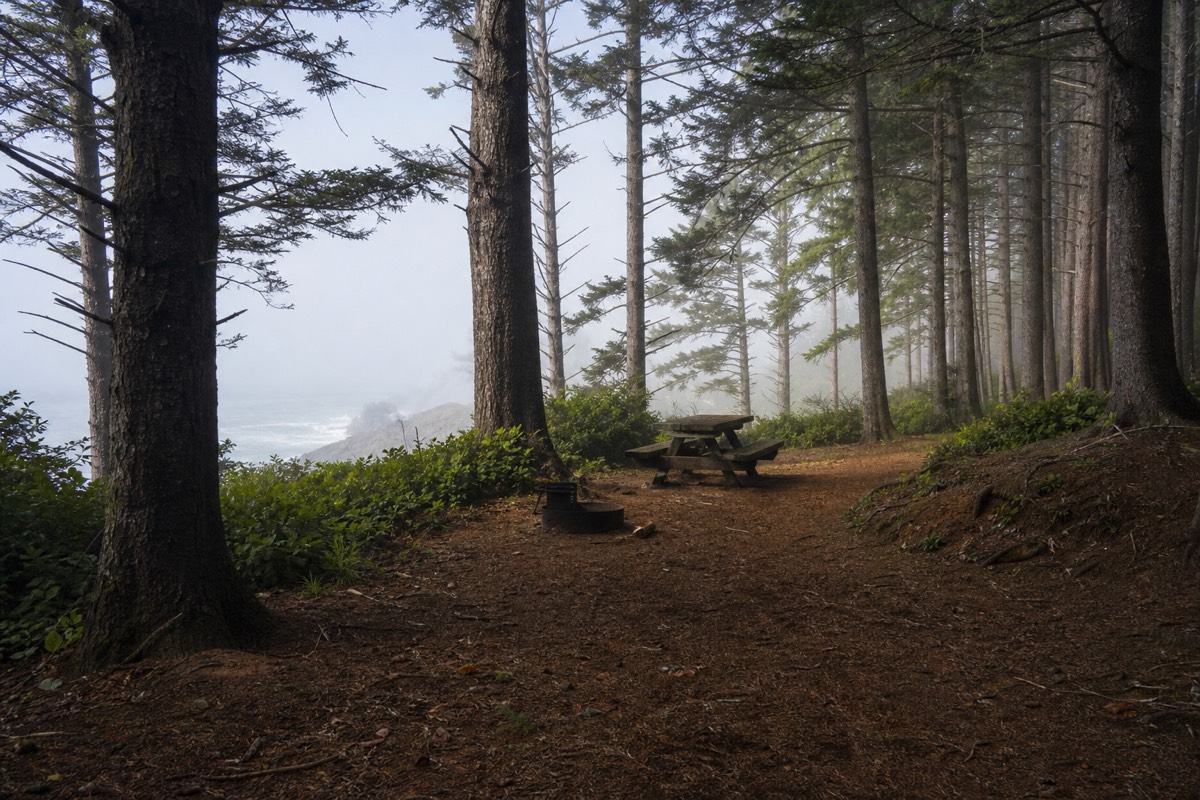
Camping is how a lot of people afford this coast. A mid-range room in Tofino in peak summer runs $350 to $650 a night; an unserviced site inside the national park runs $34. That gap is why the reservation window for the park campground is one of the more competitive few minutes in British Columbia camping, and why plenty of visitors end up in a private campground on Mackenzie Beach without ever knowing the federal one existed.
This guide works through every option in the corridor between the two towns, from the drive-in sites with power to the wilderness beaches where a wolf will genuinely try to open your kayak hatch. Fees, seasons, site counts and rules below come from Parks Canada's own fee schedule and campground pages, BC Parks, the District of Tofino, and each private operator's published information. Where a figure is a range rather than a rate, we say so.
Nightly camping rates inside the park
Rates are Parks Canada's own published fees for Pacific Rim National Park Reserve, current for the 2026 season. Park admission is separate from camping fees, and a one-off reservation fee applies to every booking.
Reserve the campsite for the nights you need first. The bookable outings here are day activities to add to a camping stay; they do not reserve campsites or supply an overnight expedition.
Affiliate links: we may earn a commission from qualifying bookings.
Where Can You Actually Camp Near Tofino?
Five categories exist: Green Point inside the national park, private beach campgrounds on the Tofino side, serviced campgrounds on the Ucluelet side, designated backcountry sites in the Broken Group Islands, and wilderness beaches in Clayoquot Sound. There is no legal free camping anywhere in the corridor.
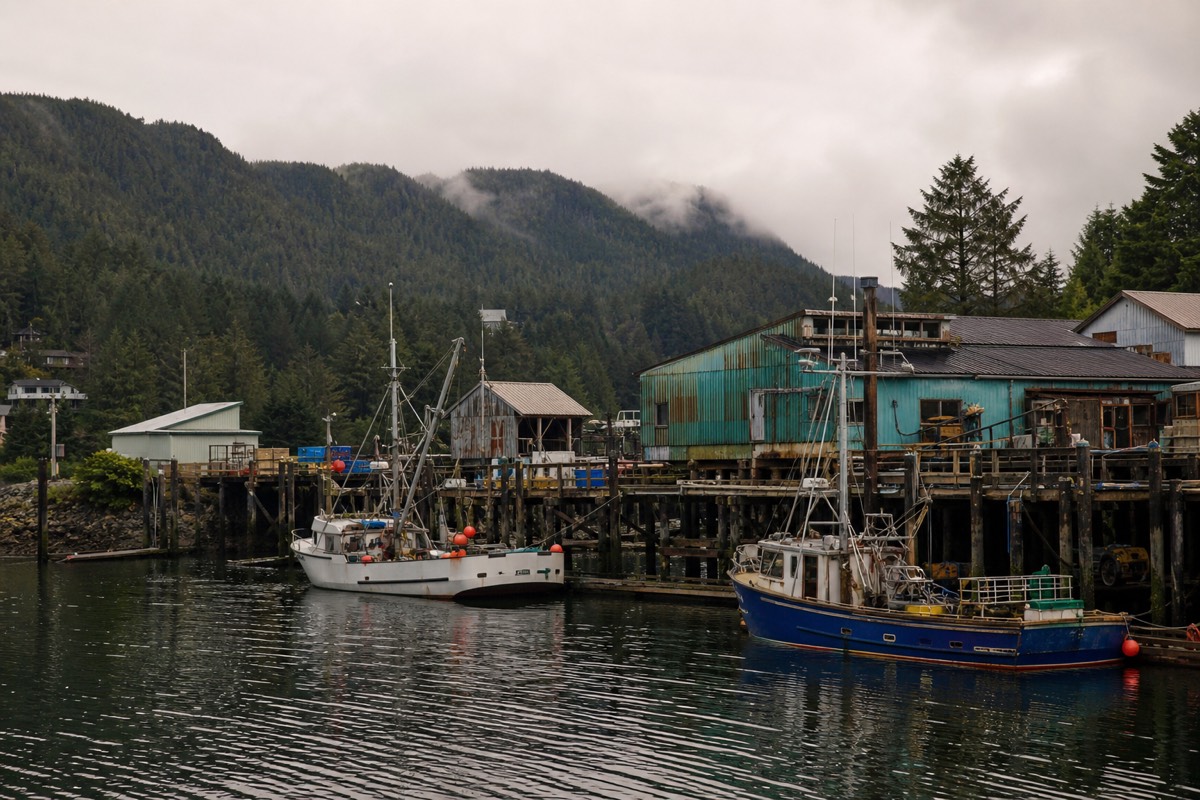
The reason this list is short is geography. Tofino sits at the end of a peninsula, hemmed in by a national park reserve on one side and protected sound on the other, so the land available for campgrounds is a thin strip along the highway plus whatever the two towns have zoned. Every site in the table below is either inside the park, on a private beach parcel, in a municipal or First Nations facility, or in wilderness that requires a boat.
The other structural fact is season. The federal campground runs roughly May to mid-October and then shuts. Private campgrounds and the Ucluelet municipal site run longer, some year-round, which is why winter storm-watching campers end up on the private side by default rather than by choice.
| Option | Where | Type | Season | Booked through |
|---|---|---|---|---|
| Green Point Campground | Bluffs above Long Beach, Long Beach Unit of the park | Drive-in, walk-in, one oTENTik, one group site | Early May to mid-October | Parks Canada Reservation Service |
| Bella Pacifica | 400 MacKenzie Beach Road, minutes from the town centre | Beachfront and forested tent sites, oceanfront and second-row RV sites | Late February to the end of October | Direct with the campground |
| Crystal Cove Beach Resort | Steps from MacKenzie Beach | RV only: 93 standard RV sites and 10 glamping trailers, plus log cabins | Seasonal; confirm with the resort | Direct with the resort |
| Surf Grove Campground | 1451 Pacific Rim Highway, Cox Bay | 167 fully serviced RV sites, 75 semi-serviced sites, A-frame cabins, RV rentals | Seasonal; confirm with the operator | Direct with the campground |
| Ucluelet Campground | 260 Seaplane Base Road, Ucluelet | 125 sites: harbour, forest, full RV hookup | Includes seasonal sites October to April | Direct with the campground |
| Wya Point Resort | 2460 Willowbrae Road, just outside Ucluelet | Oceanside and woodland campsites, RV sites, yurts, lodges | Seasonal; confirm with the resort | Direct with the resort |
| Broken Group Islands | Barkley Sound, boat access only | Designated backcountry sites on seven islands | Peak use July and August | Parks Canada backcountry permit |
| Clayoquot Sound beaches | Vargas Island, Flores Island | Wilderness camping, minimal facilities | Weather-dependent, no fixed season | BC Parks; Ahousaht permit for Flores |
Two useful ways to read that table. If you want power and a shower, you want the private or municipal column. If you want to fall asleep hearing the actual Pacific rather than a generator, you want Green Point or the backcountry.
How Do You Get A Site At Green Point?
Green Point is the only place you can legally sleep in the Long Beach Unit of the park, and it is booked through the Parks Canada Reservation Service. The 2026 season opened for booking at 8 a.m. Pacific on 29 January 2026. It has 94 drive-in sites, 20 walk-in sites, one oTENTik and one group site, and it fills every night in high season.
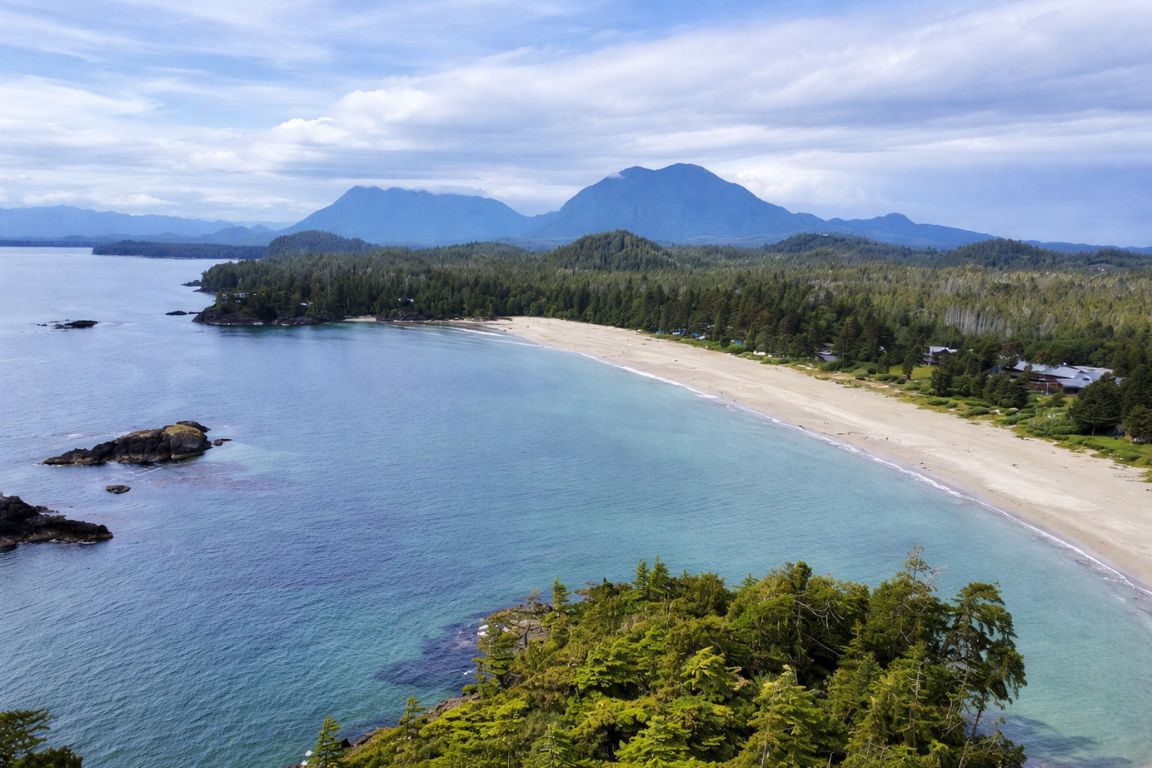
The campground sits on the bluffs above Long Beach, about 12 km north of the junction where the highway splits toward the two towns. That location is the whole point. You are inside the national park, above 16 km of open Pacific sand, with the surf audible from the tent. It is also why the walk-in sites are the ones people fight hardest for.
Booking is a single-morning event rather than a rolling process. Reservations for the whole season open at once, at 8 a.m. Pacific in late January, through reservation.pc.gc.ca or 1-877-737-3783. Be logged in before the hour with your dates and site preference already decided. Parks Canada charges a reservation fee of $11.50 online or $13.50 by phone on top of the nightly rate.
The site mix matters. The 94 drive-in sites take a vehicle and some are wired with 15 and 30 amp hookups; the 20 walk-in sites are unserviced, cheaper, and reached on foot from the parking area. Each site takes a maximum of six people. There is one oTENTik, a hard-sided canvas-and-timber cabin that sleeps six and books out roughly instantly, and one group walk-in site for parties of 8 to 24. Season runs from early May to mid-October, so there is no winter camping here at all.
| Site type | Count | Capacity | Nightly fee | Notes |
|---|---|---|---|---|
| Drive-in, serviced with electricity | Part of the 94 drive-in sites | 6 people | $40.00 | 15 and 30 amp hookups on RV-accessible sites |
| Drive-in, unserviced | Remainder of the 94 | 6 people | $34.00 | Vehicle at the site, washroom buildings nearby |
| Walk-in, unserviced | 20 | 6 people | $34.00 | Carry your gear in; the sites closest to the bluff edge |
| oTENTik | 1 | 6 people | $147.50 | Books out almost immediately when the season opens |
| Group walk-in site | 1 | 8 to 24 people | Group rate, confirm with Parks Canada | The only way a large party stays together here |
If you miss the January window, keep checking. Cancellations release back into the system through the spring, and a weekday night in late May or early October is a very different proposition from a Saturday in August.
What Does Camping In Pacific Rim Actually Cost In 2026?
Budget the nightly site fee plus park admission plus the one-off reservation fee. Adult daily admission is $12.25 and a family or group pass is $24.50. Backcountry use, including the Broken Group Islands, is $15.00 per person per night. A four-night stay for two in an unserviced site lands near $200 once admission is counted.
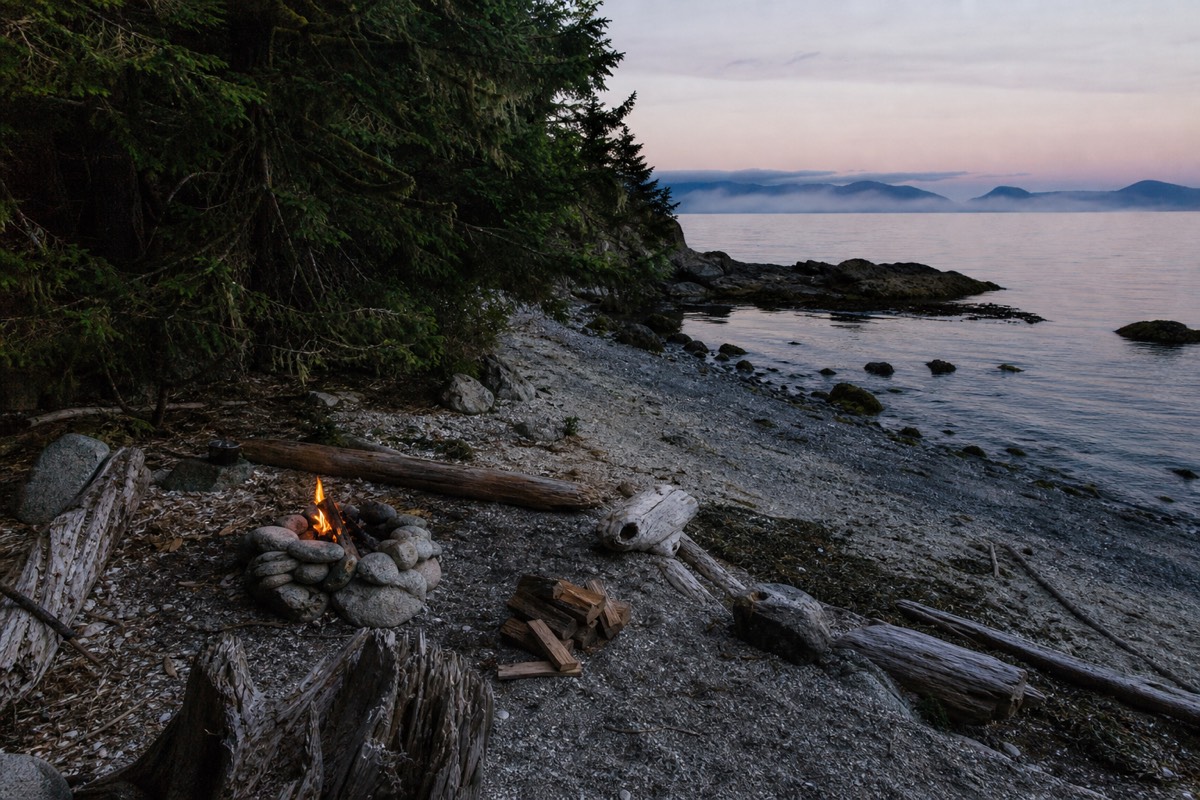
Park admission catches people out because it is separate from camping and it is charged per day. Every figure in the table below comes from the published fee schedule for this park rather than a third-party summary. Youth 17 and under are free but still need a pass. If you are staying five or more nights, or visiting other national parks in the same year, run the annual numbers before you pay daily: the Pacific Rim annual pass is $60.50 for an adult, $51.50 for a senior and $120.75 for a family or group, and the national Discovery Pass is $83.50 for an adult.
One genuinely useful thing for 2026: the Canada Strong Pass gives free admission and 25 percent off camping and overnight stays from 19 June to 7 September 2026. That covers most of the high season and is worth checking against your dates before you assume the standard rates below apply.
| Charge | Rate | Basis |
|---|---|---|
| Daily admission, adult | $12.25 | Per person per day |
| Daily admission, senior | $10.75 | Per person per day |
| Daily admission, youth 17 and under | Free | Still needs a pass |
| Daily admission, family or group | $24.50 | Per vehicle group per day |
| Pacific Rim annual pass, family or group | $120.75 | Pays for itself around day five |
| National Discovery Pass, adult | $83.50 | Covers other national parks the same year |
| Green Point, serviced with electricity | $40.00 | Per site per night |
| Green Point, unserviced | $34.00 | Per site per night |
| oTENTik | $147.50 | Per unit per night |
| Backcountry use | $15.00 | Per person per night |
| West Coast Trail | $208.50 | Per person per trip |
| Reservation fee | $11.50 online, $13.50 by phone | Once per booking |
Set that against the accommodation figures we publish elsewhere. A budget motel here starts around $140 a night and a beachfront resort runs $350 to $650 in peak summer. Even the oTENTik, the most expensive thing on the Parks Canada list, undercuts a mid-range room, and a tent site undercuts it by a factor of ten.
Which Private Campgrounds Near Tofino Are Worth Booking?
Bella Pacifica on MacKenzie Beach is the most flexible, taking both tents and full-hookup RVs minutes from the town centre. Crystal Cove sits on the same beach but is RVs only, with 93 standard sites and 10 glamping trailers. Surf Grove is out on Cox Bay with 167 serviced sites, 75 semi-serviced sites and A-frame cabins.
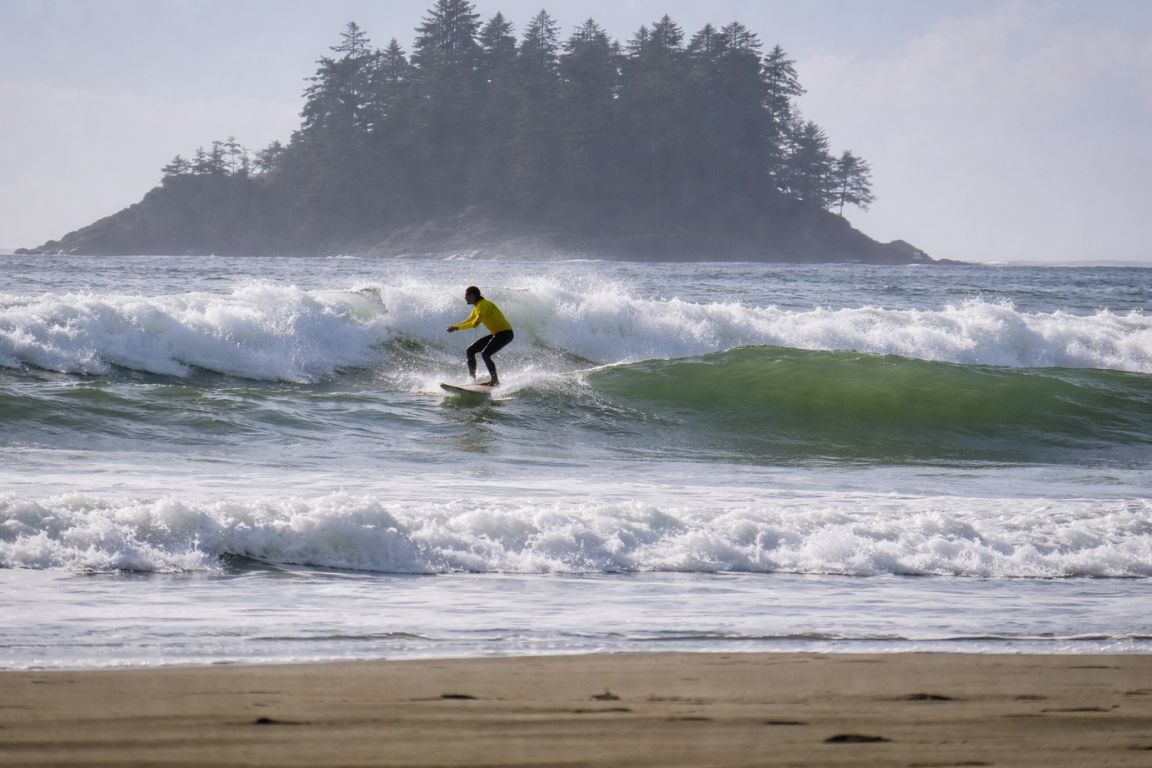
Bella Pacifica is the default for tent campers who miss out on Green Point. It sits at 400 MacKenzie Beach Road, minutes from the town centre, and runs a 2026 season from late February to the end of October. Site types range from beachfront pitches for tents and small campers through oceanfront and second-row RV positions to forested tent areas. There are three washroom buildings with flush toilets and coin-operated showers, coin laundry, wifi hotspots, a fire pit at every site, and firewood and ice for sale. Reservations are strongly recommended and that recommendation is not decorative in July.
Crystal Cove Beach Resort is on the same stretch of MacKenzie Beach, with log cabins alongside 93 standard RV sites and 10 glamping RV trailers. The important limitation is stated plainly on its own site: the RV park caters to recreational vehicles only and cannot accommodate tent camping or car camping. If you are in a tent this is not your campground, regardless of what a search result implies. Every RV site carries 30 amp power, potable water and sewer, with a picnic table and fire ring, free wifi, complimentary hot showers, a playground and firewood for sale.
Surf Grove sits on Cox Bay at 1451 Pacific Rim Highway with 167 fully serviced RV sites, 75 semi-serviced sites, A-frame cabins and RV rentals. Its own listed extras run to saunas, electric bike rentals and a food truck working long summer hours, which is a different proposition from a bare pitch in the forest. It is the most amenity-heavy option in the corridor and priced accordingly: our own accommodation research put beach tent sites there at $226 to $251 a night in peak summer 2025, which is more than four times a walk-in site at Green Point.
| Campground | Where | Tents? | What it has | Sites and season |
|---|---|---|---|---|
| Bella Pacifica | MacKenzie Beach, minutes from town | Yes, beachfront and forested | Full hookups, three washroom buildings, coin showers and laundry, wifi, fire pit at every site, firewood and ice for sale | Late February to end of October |
| Crystal Cove Beach Resort | Steps from MacKenzie Beach | No; RVs only, no tents or car camping | 30 amp power, potable water, sewer, fire ring, free wifi, hot showers, playground | 93 standard RV sites plus 10 glamping trailers and log cabins |
| Surf Grove | Cox Bay, 1451 Pacific Rim Highway | Yes, semi-serviced | Saunas, electric bike rentals, a food truck on long summer hours | 167 serviced RV sites, 75 semi-serviced, A-frame cabins, RV rentals |
The pattern is consistent: private sites cost several times what the federal campground charges, and what you buy is proximity to a specific beach plus showers, power and the ability to book in a normal way rather than in a single January stampede.
Is There Camping On The Ucluelet Side?
Yes, and it is usually easier to book. Ucluelet Campground at 260 Seaplane Base Road has 125 sites across 15 acres with harbour, mountain and forest settings, flush toilets and free showers. Wya Point Resort, on the Ucluelet First Nation's traditional territory just outside town, has oceanside and woodland campsites, RV sites, yurts and lodges on 600 acres of old-growth forest.
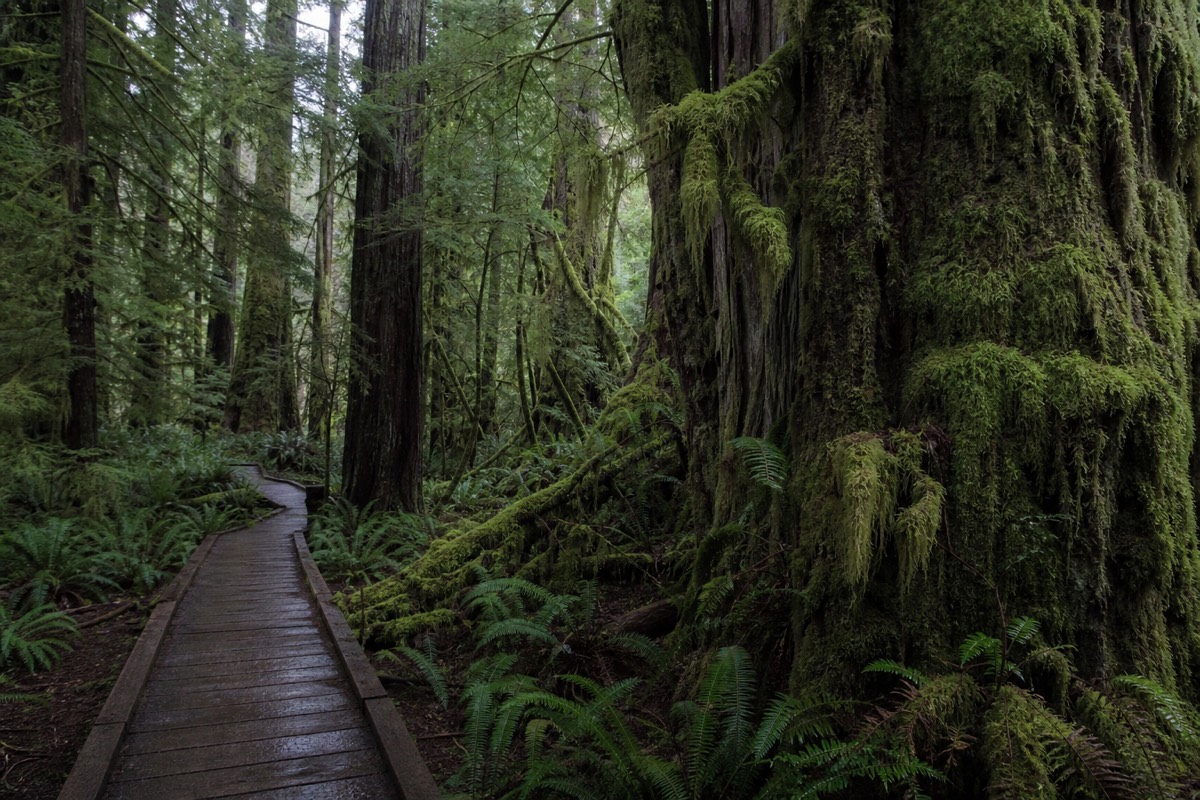
Ucluelet sits about 40 km and roughly 40 minutes from Tofino down the same highway, and its campground is the most underrated bed in the corridor. Sites range from waterfront pitches looking across the inlet and boat basin to semi-private forest sites, and the RV sites take rigs between 19 and 42 feet with electric, water and sewer. Every site has a picnic table and a fire ring. Washrooms have flush toilets and free showers, which is not universal on this coast. Some sites run seasonally from October through April, so this is one of the few options for a winter camping trip.
Wya Point is a different proposition and worth understanding on its own terms. It sits on the traditional territory of the Ucluelet First Nation at 2460 Willowbrae Road, a few kilometres outside town, on 600 acres of coastal rainforest with private beaches. Accommodation ranges from unserviced woodland campsites through serviced RV sites to yurts and one- and two-bedroom lodges, so a group with mixed tolerance for weather can stay in one place at different comfort levels.
Staying on the Ucluelet side is a real strategy rather than a compromise, and it is one we recommend to budget-conscious guests. Our comparison of Tofino or Ucluelet as a base works through what you gain and lose. The short version for campers: you are closer to the Broken Group Islands departure point and the Wild Pacific Trail, further from the Clayoquot Sound boat departures, and paying meaningfully less.
| Option | Address | Sites | Facilities | Why choose it |
|---|---|---|---|---|
| Ucluelet Campground | 260 Seaplane Base Road | 125 across 15 acres | Flush toilets, free showers, fire rings, picnic tables, full RV hookups for 19 to 42 ft | Harbour views, easier availability, some sites run October to April |
| Wya Point Resort | 2460 Willowbrae Road | Campsites, RV sites, yurts, lodges | Oceanside and woodland pitches, serviced and unserviced RV | Private beaches, 600 acres of old-growth forest, mixed comfort levels in one place |
Can You Camp In The Broken Group Islands?
Yes, but only at designated sites on seven islands: Hand, Turret, Gibraltar, Willis, Dodd, Clarke and Gilbert. Camping anywhere else in the unit is illegal. Backcountry use is $15.00 per person per night, maximum group size is 12, maximum stay in the island group is 14 days, and no single camping area may be used for more than four nights.
The Broken Group Islands are the middle unit of the national park reserve, a scatter of more than a hundred islands and islets in Barkley Sound, and they are only reachable by boat. This is the single best multi-day sea kayaking destination on this coast and the reason a lot of people come here at all.
Facilities are deliberately minimal. Designated camping areas have solar composting outhouses and nothing else. There is no potable water anywhere in the islands, so plan on carrying 4 to 6 litres per person per day, which is the constraint that shapes every trip here: water is heavy, and how much you can carry sets how long you can stay. Peak use is July and August, when you will share the camping areas with a good many other people.
Access is the other planning problem. Most paddlers launch from Secret Beach Campground and Kayak Launch, run by the Toquaht Nation about 45 minutes east of Ucluelet on a gravel road off Highway 4, which has 67 campsites, a marina, kayak and boat launches and paid parking for trips into the islands. There is also a BC recreation site at Toquart Bay. If you would rather not paddle the crossing, the MV Frances Barkley runs from Port Alberni to Sechart, a former whaling station that opened in 1905 and now serves as a lodge and drop-off point.
| Rule or detail | What applies |
|---|---|
| Where you may camp | Designated areas on Hand, Turret, Gibraltar, Willis, Dodd, Clarke and Gilbert Islands only |
| Fee | $15.00 per person per night, backcountry use rate |
| Permit | Required; camping without one is illegal anywhere in the unit |
| Maximum stay in the island group | 14 days |
| Maximum stay at one camping area | 4 nights |
| Maximum group size | 12; larger groups must split across different islands |
| Water | None. Carry 4 to 6 litres per person per day |
| Toilets | Solar composting outhouses at designated areas |
| Main launch | Secret Beach, Toquaht Nation, about 45 minutes east of Ucluelet by gravel road |
| Alternative access | MV Frances Barkley from Port Alberni to Sechart; water taxi from Bamfield |
What About Backcountry Camping In Clayoquot Sound?
Vargas Island Provincial Park allows free wilderness camping on its beaches, reachable by kayak, boat or floatplane about 5 km from Tofino. Flores Island's Wildside Trail has three designated camping areas with tent platforms, outhouses and food caches, and needs a $15 per person per day Ahousaht access permit. Neither has potable water and both have serious wolf activity.
Vargas Island Park covers 5,805 hectares and was created in 1995 as part of the Clayoquot Land-Use Decision. Ahous Bay on the exposed western side is the classic camp, reached either by paddling around the island or by walking the old telegraph trail across it, a route of about 3.6 km. Facilities amount to toilets at the busier beaches. Camping is free. Kayakers commonly launch from the First Street dock in Tofino.
Flores Island is a different kind of trip and involves a different set of obligations. The Wildside Trail runs 11 km one way from the village of Ahousaht to Cow Bay, mostly along white sand beaches, on the traditional path of the Ahousaht people. It is managed by the Maaqutusiis Hahoutlhee Stewardship Society, which charges $15 per person per day for access. That fee pays for trail maintenance and staff, and it is not optional. Three designated camping areas have platforms, outhouses and food caches. Water taxi from the First Street dock in Tofino takes about 30 minutes. Bear spray is mandatory and dogs are prohibited because of the wolves.
The wolves deserve a paragraph of their own. BC Parks warns that wolves on Vargas Island have learned to open kayak hatches, and advises campers against sleeping outside their tents because of how often wolves come into camps at night. Dogs are a strong attractant for wolves and other large carnivores and should be left at home. Aggressive wildlife encounters go to the Conservation Officer Service on 1-877-952-7277. This is not a cautionary flourish; it is the standing official advice for these specific beaches.
One place people assume they can camp and cannot: the hot springs. Camping is not permitted on the Openit Peninsula portion of Maquinna Marine Provincial Park where the pools are. There is a private campground operated by the Hesquiaht First Nation just north of the government dock, and most visitors treat the springs as a day trip by boat or floatplane from Tofino instead.
| Destination | Access from Tofino | Cost | Facilities | Main hazard |
|---|---|---|---|---|
| Vargas Island, Ahous Bay | Kayak, boat or floatplane, about 5 km; launch from the First Street dock | Free | Toilets at popular beaches, nothing else | Wolves entering camps; no fresh water |
| Flores Island, Wildside Trail | Water taxi to Ahousaht from the First Street dock, about 30 minutes | $15 per person per day access permit | Three camping areas with platforms, outhouses, food caches | Wolves; tide-dependent beach travel; bear spray mandatory |
| Hot Springs Cove, Openit Peninsula | Boat or floatplane, roughly 1.5 hours by boat | Day-use; no camping in that part of the park | Boardwalk trail to the pools | No camping permitted; use the private campground near the dock or day-trip it |
Is There Free Camping In Tofino?
No. The District of Tofino prohibits overnight camping in any vehicle at all times, and camping in RVs, trailers, cars and tents is not permitted in parking lots, on beaches or on streets. There are no serviced sites on backroads or highway pullouts, and enforcement in both towns is described as zero tolerance.
This comes up constantly, partly because the drive in passes a lot of empty-looking pullouts and partly because van travel has made informal camping feel normal elsewhere in British Columbia. It is not normal here. Both communities sit inside a narrow corridor with a national park reserve on one side, and both have run out of patience with unauthorised overnight parking.
Inside the park the rule is equally plain: overnight camping is only permitted at Green Point and at designated backcountry sites with a valid permit. Camping anywhere in Pacific Rim National Park Reserve without a permit is illegal, and that includes the Broken Group Islands and includes beaches. Sleeping on Long Beach is not a legal grey area; it is an offence.
There is one narrow, legitimate exception on the parking side. Overnight parking for vehicles with trailers is allowed in non-pay parking zones in Tofino, including Industrial Way, provided you follow posted signage. That is parking, not camping, and the distinction matters to the people writing the tickets.
The practical answer if your budget is genuinely tight: book a walk-in site at Green Point in January, or take an unserviced site at Ucluelet Campground, or camp free on the Vargas Island beaches and accept that getting there costs a paddle or a water taxi. Those are the cheap options, and they are all legal.
When Does The Camping Season Actually Run?
Green Point runs early May to mid-October and then closes entirely. Private and municipal campgrounds run longer, with some Ucluelet sites available October through April. Peak pressure is July and August; the sweet spots are the second half of May, the first half of June, and late September into early October.
Weather here does not obey the calendar the way it does inland. August carries a local nickname, Fogust, for the marine layer that can settle over the coast for days. September and October bring the best surf swells and the start of storm energy. November through February is storm-watching season, when the Pacific throws genuinely large weather at this coast, which is thrilling from behind a window and less thrilling from inside a tent.
The gray whale migration peaks in March and April, humpbacks and minke whales show up through summer, and whale watching runs March to October. If wildlife is the reason you are camping here, that timing should drive your dates more than temperature does.
| Window | Green Point | Private and Ucluelet sites | Backcountry | Trade-off |
|---|---|---|---|---|
| May to mid-June | Open, availability best early | Open | Good; quiet islands | Cool nights, some seasonal businesses not fully open |
| July to August | Full every night | Booked months out | Peak use; shared camping areas | Highest prices, biggest crowds, possible fog |
| September to mid-October | Open, availability improves | Open | Excellent; fewer paddlers | Best surf, rising rain, shorter days |
| Mid-October to April | Closed | Some sites open; Ucluelet runs October to April | Experienced parties only | Storms, short daylight, reduced tour frequency |
Two shoulder weeks are worth circling: the last week of May and the last week of September. Both give you open campgrounds, running tour schedules and a fraction of the August competition for a site.
What Do You Need To Pack Here That You Would Not Pack Elsewhere?
Serious rain gear regardless of month, hard food storage for wolves and bears, 4 to 6 litres of water per person per day for the islands, and a plan for what to do if the ground shakes. This coast asks for a different kit than an interior campground does.
Rain first, because it is the thing people underestimate. A quality waterproof jacket with a hood is the single non-negotiable item, in any season and any forecast, and waterproof boots or trail shoes beat sandals on essentially every trail here. Layers matter more than warmth: a sunny beach afternoon turns into a cold, wind-driven evening within an hour, and a single light jacket will not cover both.
Food storage is the item that separates coastal camping from ordinary camping. Wolves on Vargas Island have learned to open kayak hatches. Flores Island provides food caches at its camping areas for exactly this reason. Black bears forage in the intertidal zone at low tide all along this coast, which is the basis of the bear-watching trips that run out of Tofino. Hard-sided storage, hung or cached properly, is standard practice and not paranoia.
Fire is the other thing to check rather than assume. Every private campground here sells firewood and puts a fire pit at each site, and a beach fire is most of the reason people camp on this coast at all. Coastal campfire bans are also a normal feature of a dry summer, and when one is in effect it applies whether or not your site has a ring. Look up the current fire status for the coast before you build an evening around a fire, and never gather driftwood inside the national park reserve.
Two hazards that most packing lists skip. Cell coverage on Highway 4 between Port Alberni and Tofino has genuine dead zones, so download your route offline before you leave Nanaimo. And BC Parks posts tsunami guidance for these beaches: if you feel a strong earthquake or see the water suddenly recede, move immediately to ground at least 15 metres above the tide line and stay there.
| Item | Priority | Why it is different here |
|---|---|---|
| Hooded waterproof jacket | Non-negotiable | Any season, any forecast; this is a rainforest coast |
| Waterproof boots or trail shoes | Essential | Trails stay muddy year-round, beaches involve wading |
| Warm mid-layer | Essential | Evenings are cool even in August |
| Hard food storage or a cache plan | Essential in backcountry | Wolves open kayak hatches; bears forage the intertidal zone |
| 4 to 6 litres water per person per day | Essential in the islands | No potable water anywhere in the Broken Group Islands |
| Bear spray | Mandatory on the Wildside Trail | Required by the trail's managing society |
| Offline maps | Recommended | Real dead zones on Highway 4 through the mountains |
| Tide table | Recommended | Beach routes and island landings are tide-dependent |
| Firewood budget, and a plan without one | Optional | Sold on site at the private campgrounds, but coastal campfire bans are routine in a dry summer; check the current fire status before you plan an evening around a fire pit |
Who Should Not Camp Here?
Anyone who needs certainty about weather, anyone travelling in a tent between November and February, anyone bringing a dog into the Clayoquot Sound backcountry, and anyone who wants a beach site in August without having booked in January. There is no version of this coast where you improvise a campsite in high season.
The weather case is the honest one. This is one of the wettest inhabited stretches of Canada and a tent trip here can mean four consecutive days of horizontal rain. Plenty of people find that magnificent. Others discover on night two that they have paid to be cold and damp in a place where a warm room costs $350. If you are unsure which sort you are, a cabin or an oTENTik is a reasonable hedge.
The dog case is specific and not negotiable. BC Parks advises leaving pets at home for Vargas Island because dogs strongly attract wolves and other large carnivores, and the Wildside Trail prohibits dogs outright. If your dog travels with you, camp on the private and municipal sites in the corridor and treat the wilderness beaches as somewhere you visit on a guided day trip instead.
The booking case is arithmetic. Green Point releases its whole season on one January morning and fills every night in high season. Private beach campgrounds go months ahead. If you are reading this in June planning an August trip, your realistic options are the Ucluelet side, a mid-week night, a cancellation, or the backcountry. Our team at Tofino Tour Packages sees the same pattern every summer: people book the boat first and the bed second, and the bed is the harder one to get.
And there is a taste case. Camping here is not a scenic-campsite-and-a-glass-of-wine experience most of the time. It is wind off the open Pacific, sand in everything, damp firewood and a wolf advisory on the noticeboard. That is exactly why the people who love it come back every year, and exactly why it is worth being honest with yourself before you commit four nights to it.